
Views: 0 Author: Site Editor Publish Time: 2025-11-14 Origin: Site


Oxygen is essential for life. Every cell in our body relies on it. For healthy people, atmospheric oxygen at 21% is enough. But in medical care, industrial processes, and emergencies, oxygen purity and availability are critical. Today, zeolite adsorbent for oxygen is transforming how high-purity oxygen is produced. It’s cost-efficient, environmentally friendly, and reliable.
Tiny crystals in zeolites work as molecular sieves. Packed into oxygen concentrators, they selectively trap nitrogen, allowing oxygen to pass through almost freely. Portable or stationary, these systems are now used in hospitals, clinics, home care, factories, and even aquaculture. Recent developments in nano-zeolites make oxygen production faster, more efficient, and suitable for emergency situations where every minute counts. Using zeolite powder in these systems ensures uniform adsorption and maximizes oxygen output.
Zeolites are crystalline solids with a unique 3D framework made of aluminum and silicon atoms. Their structure forms a network of uniform pores, generally 3–10 angstroms wide. These tiny pores act like a sieve on a molecular level, selectively trapping nitrogen molecules while letting oxygen pass through.
Zeolite powder is often used in these systems because its fine particle size increases the surface area available for adsorption. Higher surface area means more nitrogen molecules are captured at once, improving oxygen concentration. Nano-zeolites, being smaller than 100 nanometers, offer an even larger surface-to-volume ratio, further enhancing adsorption efficiency and output.
| Zeolite Type | Key Features | Typical Applications |
|---|---|---|
| Zeolite 5A | Stable, proven performance | Standard PSA oxygen concentrators |
| LiX Zeolite | Lithium-based, high adsorption | High-efficiency industrial PSA systems |
| Nano-zeolite | Very high surface area, faster adsorption | Portable and advanced oxygen concentrators |
| Zeolite Powder | Fine particles, easy packing | PSA oxygen generation for medical and industrial use |
Different zeolites are chosen depending on oxygen purity requirements, operating pressure, and intended application. High-grade zeolites ensure prolonged service life and consistent oxygen delivery.
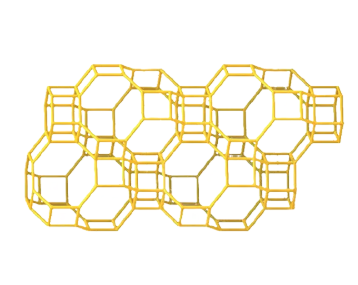
Atmospheric air contains roughly 78% nitrogen and 21% oxygen. PSA systems push compressed air through zeolite-packed towers. The nitrogen molecules get trapped in the pores of the zeolite, while oxygen flows out as the product gas.
The process is known as pressure swing adsorption (PSA):
Compressed air enters the zeolite-filled column.
Nitrogen molecules are selectively adsorbed in the micropores of zeolite.
Oxygen passes through, usually reaching 90–95% purity.
The pressure drops, releasing nitrogen to regenerate the zeolite bed.
This cycle repeats continuously, providing a steady, on-demand supply of oxygen. Vacuum PSA systems can further improve separation efficiency and reduce energy consumption.
Uniform pores selectively capture nitrogen.
Cations within the crystal structure target specific molecules.
Fine powder increases surface contact and speeds up adsorption.
The Si/Al ratio in zeolites affects their water resistance and stability. Higher ratios make zeolites more hydrophobic, reducing moisture interference and improving durability. Using zeolite powder ensures uniform packing, better contact, and longer lifespan.
Zeolite-based systems can produce oxygen at 90–95% purity, making them suitable for both medical therapy and a variety of industrial processes. They ensure a continuous and stable flow of oxygen, which is crucial in intensive care units, laboratories, and emergency situations. The uniform micropores in the zeolite powder efficiently trap nitrogen, allowing oxygen to pass through consistently without fluctuations.
One of the key advantages of zeolite-based oxygen systems is their energy efficiency. Since they operate at ambient temperatures, there is no need for expensive cryogenic cooling, which significantly reduces operational costs. The design is simple and robust, minimizing maintenance requirements and system downtime. On-site oxygen generation also eliminates the costs and delays associated with transporting cylinders from centralized supply facilities, making it especially practical for remote or high-demand locations.
Zeolite oxygen generators are environmentally friendly. They can reduce carbon emissions by up to 60% compared to conventional cryogenic methods. These systems also consume minimal water, unlike older cooling-dependent technologies. The zeolite adsorbents themselves are long-lasting, typically functional for 5–7 years. When they reach the end of their service life, they can be regenerated or recycled, minimizing waste and supporting sustainable operation.
Using zeolite in oxygen generation is safer than relying on traditional oxygen cylinders, which carry risks of leaks or explosions. The adsorbents provide stable performance over thousands of adsorption cycles, maintaining consistent oxygen quality. Additionally, their compact and modular design allows easy integration into portable systems, making them ideal for remote healthcare applications, emergency response units, and temporary medical setups.
In healthcare, zeolite-based oxygen generation plays a critical role. Hospitals, clinics, and surgical centers use these systems to provide high-purity oxygen for patients undergoing surgery or respiratory therapy. Home oxygen therapy for chronic respiratory conditions has become more practical thanks to compact concentrators that use zeolite powder for continuous oxygen delivery. Neonatal and pediatric care units rely on stable oxygen flow to support vulnerable patients. During emergencies, pandemics, or disaster response, portable zeolite-based systems can provide rapid access to oxygen where centralized supply is unavailable.
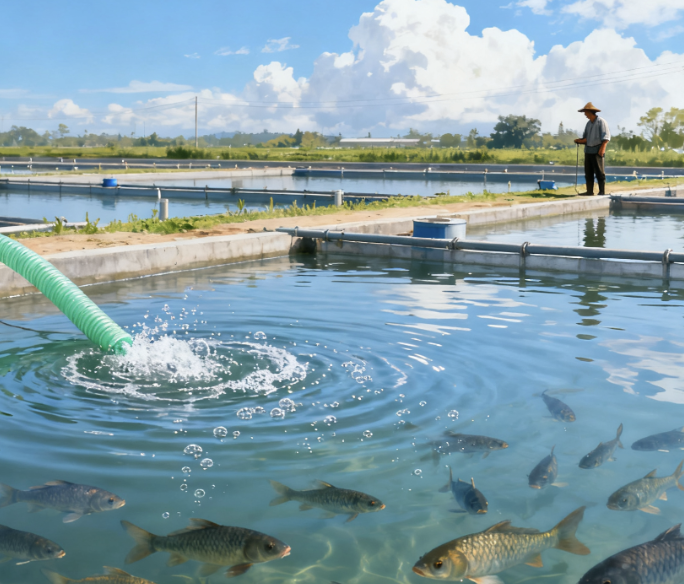
Zeolite-based oxygen generators are also widely used in industrial applications. They support metal cutting, welding, and combustion processes by supplying consistent oxygen for efficient operations. In wastewater treatment, these systems enhance biological aerobic activity, improving overall treatment efficiency. Aquaculture benefits as well, as zeolite-generated oxygen helps maintain proper dissolved oxygen levels in fish farms, supporting healthy growth. Additionally, laboratories and chemical manufacturing facilities use these systems to produce on-demand oxygen, ensuring precise process control and operational efficiency.
Nano-zeolites are smaller, finer, and more reactive than conventional zeolite. Benefits include:
Faster nitrogen adsorption due to higher surface area.
Higher oxygen output for portable and emergency units.
Improved efficiency, reducing energy consumption.
Portable oxygen concentrators with nano-zeolite powder are lighter, easier to transport, and ideal for remote healthcare settings or emergency medical camps.
| Feature | PSA Zeolite System | Cryogenic/Oxygen Cylinder |
|---|---|---|
| Purity | 90–95% | 99% for cryogenic |
| Energy | Low | High |
| Cost | Lower | Higher |
| Maintenance | Simple | Complex |
| Safety | High | Risk of leaks/explosion |
| On-site generation | Yes | No |
PSA systems using zeolite powder are more flexible, cheaper, and safer than traditional methods. They also provide continuous oxygen without relying on delivery schedules.
When selecting a zeolite adsorbent for oxygen generation, several factors must be considered. The type of zeolite plays a crucial role, whether it’s 5A, LiX, nano-zeolite, or zeolite powder, as each offers different adsorption capacities and efficiencies. The required oxygen purity is another key factor, as medical applications demand higher purity than most industrial uses.
The scale of application also matters: small home units, large hospital systems, or industrial setups each have unique demands on system design and performance. Maintenance needs and expected service life are important, as high-quality zeolites can last 5–7 years and reduce the frequency of replacements. Finally, energy consumption and environmental impact should be considered, since efficient zeolite-based systems can lower carbon emissions and minimize operational costs.
The future of zeolite-based oxygen generation is closely tied to technology advancements and sustainability efforts. AI-assisted systems are emerging that predict maintenance needs and optimize system performance automatically. Hybrid systems combining membranes with zeolite technology are being developed to improve gas separation efficiency and energy use. Sustainable production methods for zeolite powder are gaining attention, focusing on lower energy consumption and reduced emissions.
Research continues to produce longer-lasting, more robust zeolites, capable of enduring thousands of adsorption cycles without loss of efficiency. Additionally, deployment of portable and on-site oxygen generation systems is expanding in remote healthcare areas, improving pandemic readiness and ensuring oxygen availability during emergencies.
Zeolite powder is a fine, crystalline material with uniform micropores that selectively trap nitrogen molecules, allowing oxygen to pass through. Its fine particle size increases surface area, improving adsorption efficiency and oxygen output.
A PSA system pushes compressed air through a zeolite-packed tower. Nitrogen is adsorbed in the zeolite’s pores while oxygen flows out. Pressure swing cycles regenerate the zeolite, providing a continuous on-demand oxygen supply.
Yes, zeolite powder is ideal for portable concentrators because its fine particles ensure uniform adsorption, high oxygen purity, and consistent performance even in compact devices.
Most zeolite-based systems can deliver oxygen at 90–95% purity, which is sufficient for medical therapy, industrial applications, and emergency use.
Yes, they are safer because there is no risk of leaks or explosions. Zeolite adsorbents provide stable performance over thousands of cycles, and portable systems reduce handling risks.
Zeolite adsorbents are transforming oxygen generation. By selectively trapping nitrogen and delivering high-purity oxygen efficiently, systems using zeolite powder offer cost-effective, safe, and environmentally friendly solutions for medical, industrial, and emergency applications. Advances like nano-zeolite technology continue to improve performance, portability, and energy efficiency, making oxygen more accessible during critical situations, from hospitals to remote healthcare facilities.
For reliable supply of high-quality zeolite adsorbents, Shandong Yutai Chemical Co., Ltd. provides premium-grade zeolite powder and nano-zeolite products designed for maximum efficiency and long-lasting performance in PSA oxygen concentrators and other oxygen generation systems. Their solutions help healthcare providers and industrial users ensure stable oxygen delivery whenever it is needed most.


