
Views: 0 Author: Site Editor Publish Time: 2025-11-03 Origin: Site


Zeolite adsorbents are a group of minerals that can trap molecules inside tiny pores. They occur naturally in the earth or can be synthesized in laboratories. They work like microscopic sponges, capturing gases, liquids, or ions. Industries rely on them to clean air, water, and chemical streams efficiently.
Unlike simple powders, zeolites have a three-dimensional crystalline structure. This structure gives uniform pores throughout, allowing them to selectively adsorb or absorb molecules. They are often used where precise removal of pollutants or chemical separation is needed.
Zeolite adsorbents are widely applied in environmental treatment, industrial gas processing, and water purification. They are also valuable in regenerative adsorption systems, which reuse the material multiple times, saving cost and reducing waste.
Zeolites are hydrated aluminosilicates containing sodium, calcium, potassium, or magnesium ions. Their crystal framework consists of tetrahedral silica or alumina units, bonded at all corners. This creates cavities and channels of fixed size.
Inside these cavities, water molecules and loosely bound cations reside. Water can be removed and reintroduced repeatedly, making zeolites highly versatile. Cations like Na+ or K+ can be exchanged with other ions, allowing zeolites to purify water or capture metals.
Zeolites have properties that make them excellent adsorbents:
High porosity: Tiny cavities allow molecules to enter and bind
Large surface area: Traps more molecules per gram
Hydrophilic or hydrophobic: Can selectively attract water or VOCs
Cation exchange capacity: Can remove metals, ammonia, or other ions
Molecular sieving: Blocks larger molecules while letting smaller ones pass
| Property | Effect |
|---|---|
| Pore size | Determines which molecules fit |
| Hydrophobicity | Captures VOCs, oils, non-polar molecules |
| Surface area | Improves adsorption efficiency |
| Cation exchange | Removes metals, ammonium, other ions |
Zeolites can adsorb molecules based on size, shape, and polarity, making them versatile for different industrial needs.
Understanding adsorption terminology helps clarify zeolite functionality:
Adsorption: Molecules stick to a surface
Absorption: Molecules enter the internal structure
Sorbent: Material that adsorbs or absorbs
Sorbate: Substance trapped by the zeolite
Diffusion: Movement of molecules within the pores
Zeolites act as molecular sieves, selectively allowing some molecules to pass while blocking others. This property is critical for gas separation, water purification, and environmental applications.
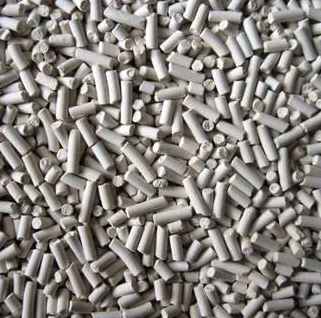
Zeolites trap molecules using physical and chemical forces. Hydrophilic zeolites attract water and other polar molecules. Hydrophobic zeolites target oils, VOCs, or solvents.
The pore size and shape determine which molecules can enter. Molecules too large or chemically incompatible will pass through. This selective adsorption allows industries to remove specific pollutants efficiently.
Several variables influence zeolite performance:
Type of zeolite: Natural or synthetic, pore structure
Target molecules: VOCs, ammonia, water, metals
Environmental conditions: Temperature, humidity, gas flow
Bed design: Single, staged, or mixed beds improve efficiency
The efficiency can vary from 80% to 95% for odor or VOC removal, depending on conditions.
| Adsorbent | Strengths | Weaknesses |
|---|---|---|
| Zeolite | Reusable, selective, chemically stable | Can produce dust, higher synthetic cost |
| Activated carbon | High VOC capacity, widely available | Saturates quickly, flammable |
| Silica gel | Excellent for moisture absorption | Limited organics adsorption |
| Alumina | Strong, chemical resistant | Less selective |
Zeolites outperform other adsorbents at low-concentration VOC removal, making them ideal for polishing applications or sensitive chemical processes.
Natural zeolites are mainly hydrophilic, meaning they easily attract and trap polar molecules such as water or ammonia. Because of this property, they are widely used in odor control products, animal bedding, and feed, as well as in soil conditioning applications. Large deposits of natural zeolites are found across regions including North America, Canada, and Europe, making them readily available and cost-effective for many industrial and agricultural uses.
Synthetic zeolites are specially engineered to have precise pore sizes, surface areas, and polarity. These properties allow them to target specific molecules more effectively than natural zeolites. They are particularly useful in applications like gas purification, removing volatile organic compounds from industrial exhaust, and treating water or chemical solutions. Although they cost more than natural zeolites, their efficiency, selectivity, and ability to be regenerated make them a valuable choice for industrial processes that require high performance and sustainability.
Zeolites can be classified based on their affinity for water. Hydrophilic zeolites attract polar molecules such as water and ammonia, whereas hydrophobic zeolites prefer non-polar substances, including oils, solvents, and VOCs. In many industrial systems, beds are designed to combine both types of zeolites. Hydrophobic zeolites often serve as polishing layers, efficiently capturing low-concentration pollutants that hydrophilic or other adsorbents may miss.
| Type of Zeolite Adsorbent | Key Properties | Common Uses | Notes |
|---|---|---|---|
| Natural Zeolites | Hydrophilic, attracts polar molecules (water, ammonia) | Odor control products, animal bedding and feed, soil conditioning | Abundant in North America, Canada, Europe; cost-effective |
| Synthetic Zeolites | Engineered pore size, surface area, and polarity | Gas purification, VOC removal, water and chemical treatment | More expensive than natural zeolites; efficient and regenerative |
| Hydrophilic Zeolites | Traps polar molecules | Water and ammonia removal | Often combined in beds with hydrophobic zeolites for staged adsorption |
| Hydrophobic Zeolites | Traps non-polar molecules (oils, VOCs, solvents) | Polishing low-concentration pollutants | Ideal for finishing layers in industrial adsorption systems |
Zeolites are widely used to remove volatile organic compounds (VOCs) from industrial emissions, including chemical plants, paint spray booths, and exhaust streams. They can also selectively separate gases like oxygen/nitrogen or carbon dioxide/carbon monoxide. This makes processes like gas purification, oxygen enrichment, and industrial air recovery more efficient and environmentally friendly.
In water and chemical treatment, zeolites effectively remove heavy metals, ammonia, and organic pollutants from both wastewater and process solutions. Pharmaceutical, chemical, and food industries rely on them to ensure product safety, comply with environmental standards, and reduce operational costs. Their ability to adsorb low-concentration pollutants makes them highly versatile for both batch and continuous processes.
Zeolites serve as practical solutions for odor control, soil remediation, and improvement of animal feed quality. They also play a role in specialized systems like pressure swing adsorption (PSA), which separates and purifies gases for industrial or medical applications. Beyond conventional uses, they support sustainable practices by reducing waste and enhancing air and water quality.
Unlike activated carbon, zeolites can be regenerated multiple times without losing efficiency, making them cost-effective for long-term use. Regeneration involves controlled airflow and temperature to restore adsorption capacity. Hydrophobic zeolites, in particular, excel in these setups by capturing oils, VOCs, and solvents while maintaining structural integrity under repeated cycles.
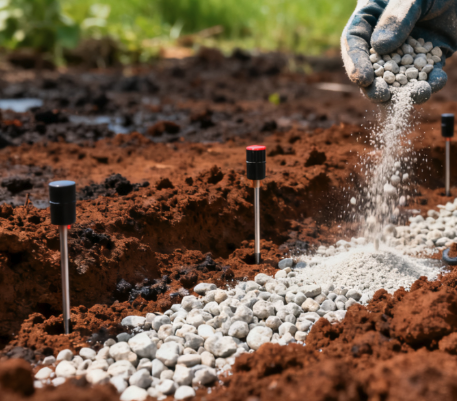
Zeolite adsorbents are highly efficient at capturing VOCs and controlling odors, even at very low concentrations. They tolerate wet or humid conditions better than many alternative adsorbents, making them versatile in different environments. Installation and maintenance are straightforward, and many zeolites can be regenerated for repeated use, reducing operational costs. Their simple, robust design allows them to perform reliably in industrial settings without complex control systems.
Despite their strengths, zeolites have some limitations. Dust generated in the adsorption bed can lead to blockages or wear in equipment if not managed. Beds combining different adsorbents may malfunction if improperly designed or mixed. Flammable VOCs, such as ketones or turpentines, pose a fire risk if airflow and temperature are not carefully controlled. Additionally, very high temperatures can reduce the adsorption capacity, requiring partial replacement of the zeolite in extreme cases.
Pollutant type and concentration
Environmental conditions: temperature, humidity, airflow
Cost vs performance: natural vs synthetic
Bed design: single, staged, or mixed
Measure surface area and pore volume
Test adsorption capacity for target molecules
Verify regeneration stability over cycles
Selecting the right zeolite ensures high efficiency, durability, and low operational costs.
Industries are increasingly using synthetic zeolites engineered for specific pollutants. By controlling pore size, polarity, and surface area, these zeolites can target certain molecules more efficiently. This customization improves adsorption performance and allows for more precise pollutant removal in chemical, pharmaceutical, and environmental applications.
Zeolites are often combined with activated carbon or polymer adsorbents in multi-stage beds. This setup allows high-concentration pollutants to be captured by carbon or polymer layers first, while zeolites act as a polishing layer for trace compounds. Such hybrid systems improve efficiency, extend bed life, and reduce operational costs.
Zeolites are increasingly used in environmental cleanup, such as soil remediation, wastewater treatment, and odor control. In renewable energy, they assist in gas purification for biogas or hydrogen production, ensuring cleaner fuel and reducing emissions. These applications highlight zeolites’ versatility and sustainability benefits.
The future of zeolite adsorbents also lies in next-generation purification technologies. Pressure swing adsorption (PSA), temperature swing adsorption (TSA), and fluidized bed systems are being optimized using high-performance zeolites. They enable industries to handle complex gas mixtures and contaminated water streams more efficiently than ever.
Zeolite adsorbents are minerals with a crystalline structure that traps molecules in tiny pores, effectively capturing gases, liquids, or ions.
Natural zeolites occur in the earth and mostly attract polar molecules, while synthetic zeolites can be engineered for specific pore sizes, polarity, and adsorption targets.
Hydrophilic zeolites trap polar molecules like water or ammonia, while hydrophobic zeolites capture oils, solvents, and volatile organic compounds.
They are used in air and gas treatment, water and chemical purification, odor control, soil remediation, animal feed enhancement, and industrial gas separation systems.
Yes, zeolites are often used in regenerative adsorption systems, allowing multiple cycles of adsorption and desorption without losing efficiency.
Zeolite adsorbents offer versatile and efficient solutions for industrial air, gas, and water treatment. Their unique pore structures, molecular sieving capabilities, and regenerative potential make them ideal for removing pollutants, VOCs, and heavy metals across various applications. From natural hydrophilic zeolites to custom-engineered synthetic types, industries can choose the right adsorbent for their specific needs, improving efficiency and sustainability.
For companies seeking high-quality zeolite products and technical support, Shandong Yutai Chemical Co., Ltd. provides a wide range of natural and synthetic zeolites tailored for environmental, industrial, and specialty applications. With decades of experience and strict quality standards, Yutai Chemical ensures reliable performance and innovative solutions for your adsorption needs.


