
Views: 0 Author: Site Editor Publish Time: 2026-02-17 Origin: Site


In today’s refining industry, improving heavy oil conversion is more crucial than ever. But how can we enhance the cracking process for better yields?
In this article, we will explore the role of catalysts in catalytic cracking and how they optimize heavy oil conversion.
Catalytic cracking is a refining process designed to break down large hydrocarbon molecules into smaller, more valuable components, primarily gasoline, diesel, and light olefins.
There are three key processes involved in catalytic cracking:
● Reaction: In this step, the hydrocarbon feedstock, such as gas oil or naphtha, is heated and mixed with the catalyst in a high-temperature reactor. This step causes the large hydrocarbon molecules to break into lighter fractions.
● Regeneration: After the reaction, the catalyst becomes coated with coke, which inhibits its effectiveness. The catalyst is regenerated by burning off the coke in a separate regeneration unit.
● Fractionation: Finally, the cracked hydrocarbons are separated into different fractions using a distillation process called fractionation. This separates valuable light products like gasoline from heavier fractions.
The catalysts used in catalytic cracking play an essential role in facilitating the cracking reactions that break down the large molecules into smaller ones. One of the most commonly used types of catalysts in this process is zeolite catalysts, such as those produced by Yutai Chemical.
● Zeolite Catalysts: Zeolite catalysts are highly effective due to their microporous structure, which provides a large surface area for the cracking reactions to occur. These structures enable zeolites to selectively break bonds in heavy hydrocarbons, promoting the conversion of large, complex molecules into lighter and more valuable ones.
● Maximizing Gasoline Yield: One of the key advantages of zeolite catalysts is their ability to maximize gasoline yield. By carefully tuning the acidity and pore size of the zeolite catalysts, it is possible to favor the production of high-quality gasoline and other light hydrocarbons, while minimizing the production of undesirable by-products such as coke.
● Heavy Oil Conversion: Zeolite catalysts excel in converting heavy oils, including residuum, into valuable fuels. The micropores in zeolite structures allow them to break down even the largest and most complex molecules found in heavy oils, making them ideal for cracking feedstocks with a high content of long-chain hydrocarbons.
Table: Key Processes in Catalytic Cracking
Process | Description |
Reaction | The hydrocarbon feed is mixed with the catalyst and cracked at high temperatures. |
Regeneration | The catalyst is regenerated by burning off coke formed during cracking. |
Fractionation | The cracked hydrocarbons are separated into useful products like gasoline and diesel. |
Yutai Chemical's Zeolite Powders are central to catalytic cracking, offering remarkable efficiency in converting heavy oils into lighter, more valuable products like gasoline and diesel.
● Microporous Structure: Provides a large surface area, enhancing the interaction between catalyst and feedstock.
● Selective Cracking: Promotes selective cracking of heavy hydrocarbons, ensuring a higher yield of gasoline and diesel.
● Extended Catalyst Life: Requires less frequent regeneration, resulting in longer operational cycles.
Table: Zeolite Catalysts vs Non-Zeolite Catalysts
Feature | Zeolite Catalysts | Non-Zeolite Catalysts |
Surface Area | High, microporous | Low, less efficient |
Selectivity | High, maximizes gasoline and diesel yield | Low, produces more coke |
Lifespan | Long, minimal regeneration | Shorter, frequent regeneration |
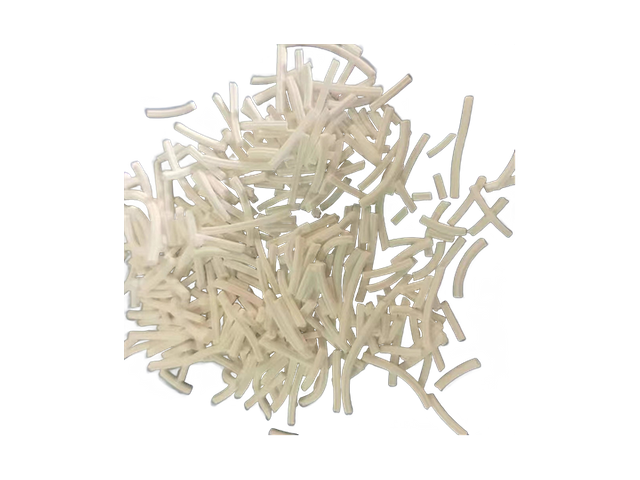
While zeolite catalysts are preferred, non-zeolite catalysts (like metallurgical catalysts) are also used but with limitations. These catalysts are less efficient in processing complex heavy oils, leading to higher coke formation and lower product yield.
● Lower Selectivity: Less efficient in cracking large molecules, leading to more coke and fewer valuable products.
● Higher Coke Formation: Increased downtime for catalyst regeneration.
Non-zeolite catalysts may be used for simpler feedstocks but are generally less effective in heavy oil conversion compared to zeolite-based solutions.
The structure and activity of the catalyst are crucial for achieving high conversion rates during catalytic cracking. Zeolite catalysts, such as those produced by Yutai Chemical, are particularly effective for breaking down large hydrocarbons in heavy oils.
● Acidic Sites: Zeolites have acidic sites that promote C–C bond breaking, which is essential for cracking large hydrocarbon molecules into lighter, valuable products like gasoline and diesel.
● Microporous Structure: The microporous structure of zeolite catalysts increases the surface area, allowing for better molecular interaction and enhanced cracking efficiency.
Table: Catalyst Features and Impact on Conversion Efficiency
Catalyst Feature | Effect on Heavy Oil Conversion |
Acidic Sites | Promote selective cracking, enhancing yield of lighter products. |
Microporous Structure | Increases surface area, optimizing interaction with feedstock. |
The design and configuration of the reaction zones within the reactor play a significant role in maximizing heavy oil conversion. Different types of reactors, such as fluidized bed reactors and riser reactors, optimize the contact between the catalyst and the feedstock.
● Fluidized Bed Reactors: The catalyst is suspended in a fluidized state, promoting better mixing with the feedstock, resulting in efficient cracking.
● Riser Reactors: A riser pipe ensures that the catalyst and feedstock mix rapidly, providing high conversion efficiency, especially in FCC units.
Yutai Chemical focuses on providing zeolite catalysts that work seamlessly in these reactor configurations, improving conversion efficiency and yield.
Feedstock composition and reaction temperature are key variables influencing the efficiency of the catalytic cracking process. Yutai Chemical's catalysts are designed to maintain performance under varied conditions.
● Feedstock Composition: Different feedstocks, such as gas oil and naphtha, require specific catalyst activity to achieve the desired cracking efficiency.
● Reaction Temperature: Higher temperatures favor cracking but can lead to more coke formation. Balancing temperature is essential for maximizing product yield while minimizing by-products.
Optimizing catalyst performance is crucial for improving heavy oil conversion efficiency. Yutai Chemical focuses on several key techniques to enhance catalyst performance and ensure better product yield and conversion rates.
● Tailoring Acidity: Adjusting the acidic sites on zeolite catalysts to promote more efficient cracking of heavy hydrocarbons.
● Pore Size Optimization: Modifying the pore structure of the catalyst to increase access to larger molecules, improving overall cracking efficiency.
● Custom Formulations: Offering tailored zeolite solutions for specific feedstocks, ensuring optimized cracking for varying refinery needs.
These optimizations help Yutai Chemical deliver high-performance catalysts that reduce coke formation and extend the life of the catalysts.
Table: Catalyst Optimization Impact
Technique | Benefit |
Tailoring Acidity | Enhances C–C bond breaking, improving conversion rates. |
Pore Size Optimization | Increases efficiency by allowing better interaction with feed. |
Custom Formulations | Maximizes conversion for specific feedstocks, improving yield. |
Optimizing the catalyst not only improves heavy oil conversion but also enhances product distribution, ensuring higher yields of valuable products like gasoline, light olefins, and diesel.
● Selective Cracking: By fine-tuning the catalyst, Yutai Chemical helps refineries produce higher quantities of desired products while minimizing unwanted by-products like coke.
● Recycling Residue: Recycling to extinction, where cycle oil and other heavier products are reintroduced into the cracking process, helps improve overall yield.
Yutai Chemical's catalysts are designed to support these strategies, optimizing conversion and ensuring maximized product yields in FCC units.
At Yutai Chemical, our zeolite powders are engineered to enhance the catalytic cracking process, especially for heavy oil conversion. We specialize in developing zeolite catalysts that help refineries maximize the efficiency of converting heavy hydrocarbons into valuable products like gasoline, diesel, and light olefins.
● Customized Solutions: We provide tailored catalysts that suit different feedstocks and refining conditions, ensuring each refinery achieves optimal results.
● High-Performance Catalysts: Our zeolite-based catalysts are designed for long-term use, minimizing regeneration cycles and ensuring maximum operational uptime.
By focusing on catalyst customization, Yutai Chemical ensures that heavy oil conversion processes run efficiently, even with challenging feedstocks.
We understand that every refinery has unique needs, and that’s why Yutai Chemical collaborates with refineries to design custom catalysts for heavy oil conversion. Our zeolite catalysts are specifically optimized for a wide range of feedstocks and reactor conditions.
● Adapting to Feedstock Variations: Whether working with naphtha, gas oil, or residuum, our catalysts are tailored to deliver high yields of valuable products while maintaining process efficiency.
● Ongoing Innovation: Our research and development teams continually refine our zeolite catalysts to meet the evolving challenges of modern catalytic cracking units.
This ongoing collaboration and innovation ensure that Yutai Chemical's catalysts stay at the cutting edge of the industry, providing refining solutions that deliver consistent and reliable performance.
At Yutai Chemical, we prioritize durability and sustainability in our zeolite catalysts. Designed for long-lasting performance, our catalysts are perfect for heavy oil cracking in FCC units where stability and efficiency are crucial.
● Durable for Long-Lasting Use: Our zeolite catalysts maintain high efficiency over extended periods, reducing the need for frequent regeneration.
● Sustainable Design: We focus on developing catalysts that not only improve refinery efficiency but also minimize environmental impact, helping refineries meet stricter regulations.
With Yutai Chemical's zeolite catalysts, refineries can achieve high operational stability while contributing to a more sustainable future for the petrochemical industry.
The article discusses catalytic cracking and its importance in improving heavy oil conversion. It highlights the role of zeolite catalysts in maximizing gasoline yield and enhancing cracking efficiency. Yutai Chemical provides customized zeolite catalysts that optimize refining processes, improving product quality and conversion efficiency.
A: Catalytic cracking is a process that breaks down large hydrocarbons into lighter products, such as gasoline and diesel.
A: Catalysts like zeolite facilitate the breaking of hydrocarbon molecules, improving the yield of valuable products.
A: Zeolite catalysts optimize cracking efficiency, converting heavy oils into lighter, valuable products like gasoline.
A: Yutai Chemical offers customized zeolite catalysts that improve conversion rates, reduce coke formation, and enhance product quality.
A: Yutai Chemical designs catalysts that improve refining efficiency while minimizing environmental impact, promoting sustainable practices.


