
Views: 0 Author: Site Editor Publish Time: 2026-02-05 Origin: Site


Are you struggling with fuel flow in cold temperatures? The solution might be found in zeolite powders. In this article, we will explore how zeolite powders are used to improve cold flow by modifying paraffins in fuels.
Paraffins, commonly found in diesel and jet fuel, are hydrocarbons that become problematic in cold temperatures. While they are typically liquid at room temperature, paraffins start to solidify as the temperature decreases. This crystallization process can significantly affect fuel performance, especially in colder environments.
When paraffins crystallize, they form wax crystals that can clog fuel filters and fuel lines, ultimately leading to engine malfunctions. These wax crystals restrict fuel flow, making it harder for the engine to receive a consistent fuel supply.
● Cloud Point: The temperature at which wax crystals begin to form in the fuel.
● Cold Filter Plugging Point (CFPP): The temperature at which the fuel becomes too thick to pass through a filter.
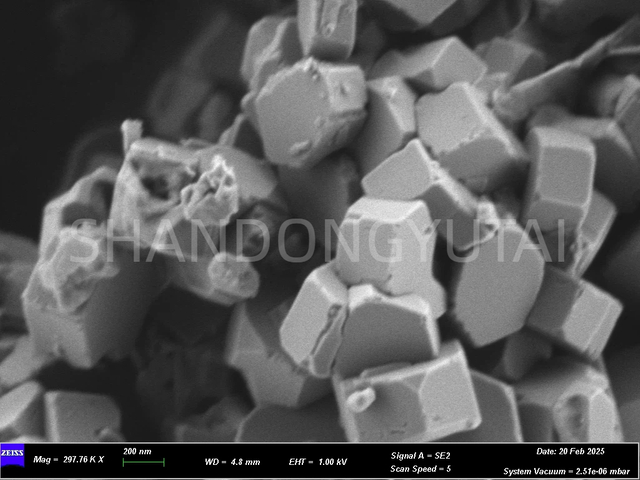
The process begins when paraffins in the fuel cool and start to form crystals. These crystals can grow and agglomerate, leading to blockages in fuel lines and filters, which significantly impair fuel flow. As these waxy molecules accumulate, they cause the fuel to thicken, making it difficult to pass through filters or even move through pipes effectively.
In cold conditions, these crystals are more likely to solidify into larger formations, making it more challenging to dissolve or dislodge them. This crystallization is particularly problematic in diesel engines, which rely on continuous and consistent fuel flow.
● Fuel Filters: Crucial components in engines that can become blocked by crystallized paraffins, leading to engine stalling.
● Engine Performance: If wax crystals block fuel flow, it can result in poor combustion, leading to power loss and engine damage.
In extreme cold, this issue can render fuel unusable. Without dewaxing, the fuel system will be highly prone to failure in low-temperature conditions.
Cold Flow Metric | Definition | Impact on Fuel Performance |
Cloud Point | Temperature at which wax crystals start to form. | Increases viscosity, reducing flow. |
Cold Filter Plugging Point | Temperature at which fuel becomes too thick to flow. | Results in blockages in filters. |
Zeolite-based catalysts play a critical role in improving cold flow by selectively breaking down paraffin molecules.
Zeolites function by isomerizing the paraffins—altering their molecular structure—without causing significant cracking. This allows for improved cold flow properties while retaining the high value of the fuel. By using zeolite-based dewaxing, refineries can prevent the clogging of fuel systems while maximizing diesel yield.
In addition to fuel flow improvement, zeolite catalysts offer high selectivity, meaning they target only the paraffins that affect cold flow without disrupting the overall fuel composition.
● Molecular Sieving: Zeolites have a microporous structure that acts as a sieve, selectively allowing long-chain n-paraffins to pass through and undergo isomerization.
● Efficient Isomerization: Through this process, branched molecules are formed, which resist crystallization at lower temperatures, thus enhancing cold flow.
● Minimal Yield Loss: Unlike cracking catalysts, zeolite powders preserve valuable distillates while improving cold flow.
Zeolite powders, such as ZSM-5, ZSM-23, and ZSM-48, play a critical role in improving the cold flow properties of fuels through the processes of selective isomerization and cracking. These zeolites help modify long-chain paraffins, which are the primary culprits behind poor cold flow in fuels.
● Selective Isomerization: This process converts linear paraffins into branched isomers, which have a significantly lower tendency to crystallize at lower temperatures, improving the pour point and cold filter plugging point (CFPP).
● Cracking: Zeolites can also break larger hydrocarbons into smaller, more fluid molecules, ensuring that the fuel stays liquid in colder environments.
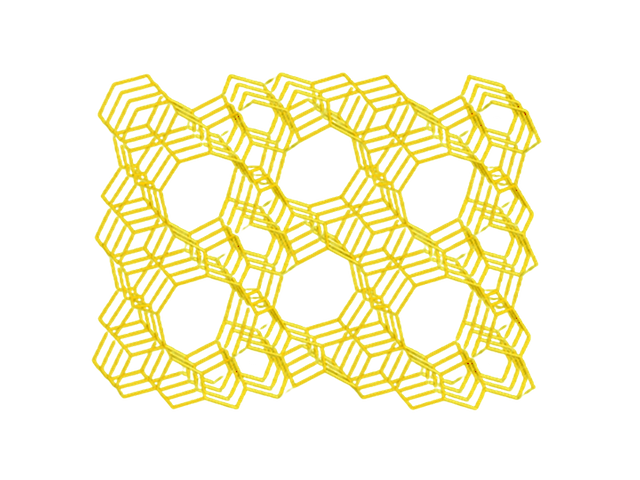
Table: Key Zeolite Powders and Their Roles in Dewaxing
Zeolite Powder | Structure | Role in Dewaxing |
ZSM-5 | MFI (Pentasil) Structure | Selective isomerization of paraffins into branched molecules to improve cold flow. |
ZSM-23 | Medium Pore Structure | Converts long-chain paraffins to branched isomers, reducing crystallization. |
ZSM-48 | MRE Structure | Effective in hydroisomerization, enhancing cold flow without cracking. |
The microporous channels and acidic active sites in zeolites like ZSM-5, ZSM-23, and ZSM-48 are what make them so effective in dewaxing processes. These properties allow zeolites to selectively adsorb and react with paraffin molecules.
● Microporous Channels: The pore size in zeolites like ZSM-5 is small enough to selectively filter and interact with the larger paraffin molecules, enabling them to undergo isomerization or cracking.
● Acidic Active Sites: These sites catalyze the conversion of paraffins, enabling the isomerization of linear paraffins into branched structures, which are less likely to crystallize and block fuel lines.
Zeolite-based dewaxing operates through hydrocracking and hydroisomerization mechanisms, both of which help enhance cold flow by modifying the fuel’s molecular structure.
1. Hydrocracking: This process involves breaking down larger paraffin molecules into smaller, more fluid hydrocarbons that flow better in cold temperatures. It ensures that the fuel does not solidify or form wax crystals that can clog fuel filters.
2. Hydroisomerization: Unlike cracking, hydroisomerization converts linear paraffins into branched isomers that have a lower melting point and are less likely to form crystals. This is crucial for improving the cloud point and preventing cold filter plugging.
Zeolite-based catalysts offer a highly efficient solution for improving cold flow properties in fuels. By modifying paraffin molecules through isomerization and cracking, zeolite catalysts prevent the formation of wax crystals that could otherwise obstruct fuel filters and disrupt engine operation.
● Isomerization ensures that long-chain paraffins are converted into branched molecules that remain liquid at lower temperatures, improving fuel flow in cold weather.
● Cracking reduces the size of paraffin molecules, further enhancing the pour point and CFPP, allowing fuels to remain usable even in freezing conditions.
Zeolite catalysts, particularly ZSM-5, ZSM-23, and ZSM-48, are highly effective in selective dewaxing processes. These zeolites work by modifying long-chain paraffins, the molecules responsible for poor cold flow properties in fuels. Their ability to selectively isomerize and crack paraffins results in improved cold flow properties, making them ideal for applications in cold weather fuels.
● ZSM-5: Known for its MFI structure, this zeolite selectively targets paraffins and promotes the formation of branched molecules, which reduces cloud point and enhances low-temperature fluidity.
● ZSM-23: Another medium-pore zeolite, ZSM-23 excels at isomerizing paraffins into branched forms that are less likely to crystallize in cold weather.
● ZSM-48: This zeolite is ideal for hydroisomerization, ensuring high efficiency in reducing cold filter plugging point (CFPP) without causing excessive cracking.
Zeolite catalysts have found extensive use in petroleum refining and diesel production, particularly in cold weather environments. These catalysts help refiners produce high-performance fuels that can withstand low temperatures and meet strict regulatory standards.
● ZSM-5 is widely utilized in diesel production for its ability to enhance cold flow properties while preserving fuel quality.
● Zeolite-based dewaxing ensures that fuel remains fluid at lower temperatures, preventing engine stalling and fuel line blockages in regions with severe cold weather.
Yutai Chemical’s ZSM-5 and other zeolite powders have become integral to these applications in chemical and petrochemical industries, contributing to the production of high-quality diesel and renewable fuels. The use of zeolite catalysts also leads to a more economical refining process, maximizing fuel yield and profitability without compromising performance.
Zeolite Powder | Key Benefit | Impact on Fuel Performance |
ZSM-5 | Selective isomerization of paraffins | Reduces cloud point, enhancing low-temperature fluidity |
ZSM-23 | Converts long-chain paraffins into branched isomers | Improves cold filter plugging point (CFPP), preventing blockages |
ZSM-48 | Hydroisomerization for high-efficiency dewaxing | Preserves distillates, improving cold weather engine reliability |
● Reduced Energy Consumption: Zeolite catalysts enable selective isomerization that avoids cracking and over-processing, making the dewaxing process more energy-efficient.
● Sustainable Diesel Production: Zeolite-based catalysts allow for higher yields of renewable diesel, minimizing waste and promoting sustainability in biofuel production.
At Yutai Chemical, we prioritize environmental protection by supplying zeolite products that support cleaner, greener refining processes. Our ZSM-5 and other zeolite powders are used in emission control systems, helping reduce pollutants and greenhouse gas emissions, further supporting the shift toward eco-friendly fuel production.
When selecting zeolite powders for dewaxing and cold flow improvement, several key factors determine the overall effectiveness of the catalyst.
● Pore Size: The pore size of zeolites is a critical factor. Zeolites like ZSM-5 have smaller pores, which selectively target long-chain paraffins, breaking them down into branched molecules that remain fluid in low temperatures. This is important for preventing wax crystallization and maintaining low-temperature fluidity.
● Structure: Zeolite structure plays a key role in how effectively the catalyst facilitates isomerization. ZSM-5 and ZSM-23 have a unique framework that helps convert linear paraffins into branched forms, which have better cold flow characteristics.
● Acidic Active Sites: The acidity of zeolite catalysts is responsible for hydroisomerization and cracking reactions. ZSM-5, for example, is known for its high acidic sites, which enable it to break down paraffins efficiently and improve pour point and cold filter plugging point (CFPP).
One of the primary advantages of zeolite-based dewaxing catalysts is that they can be integrated into existing refining units with minimal modifications.
● Cost-Efficiency: By using zeolite catalysts in existing units, refineries can improve cold flow performance without the need for expensive new infrastructure or major operational changes. This makes it a practical and affordable option for refineries looking to enhance fuel quality and performance.
● Seamless Integration: Yutai Chemical’s customized zeolite powders are designed for easy integration into fossil fuel and renewable feedstock processes. With these tailored solutions, refineries can maintain the efficiency of their operations while achieving better cold weather performance.
Zeolites play a critical role in improving cold flow properties by preventing crystallization and blocking in fuels. Yutai Chemical specializes in zeolite powders that enhance the cold flow performance of fuels, offering customized solutions for industries like fuel refining and environmental protection. sustainability.
A: Zeolite powders such as ZSM-5 and ZSM-23 improve cold flow by selectively isomerizing paraffins into branched molecules that resist crystallization.
A: Zeolite catalysts hydroisomerize long-chain paraffins, converting them into branched molecules to prevent wax crystallization and improve cold flow.
A: Yutai Chemical offers customized zeolite powders like ZSM-5 that improve cold flow while ensuring high fuel yield and performance.
A: ZSM-5 and ZSM-23 have the right pore size and acidic sites that effectively target paraffins and improve cold flow without reducing fuel quality.
A: Yes, Yutai Chemical’s zeolite powders can be easily integrated into existing refinery units to provide cost-effective cold flow improvements.


