
Views: 0 Author: Site Editor Publish Time: 2025-12-22 Origin: Site


Molecular sieves play a crucial role in various industrial applications, from drying gases to removing moisture. But how do you choose the right one for your needs? The main difference between 3A, 4A, and 5A molecular sieves lies in their pore sizes, which affects their adsorption capabilities.
In this article, we'll explore the key differences between these sieves. By the end, you'll understand how to choose the right one based on your specific requirements.
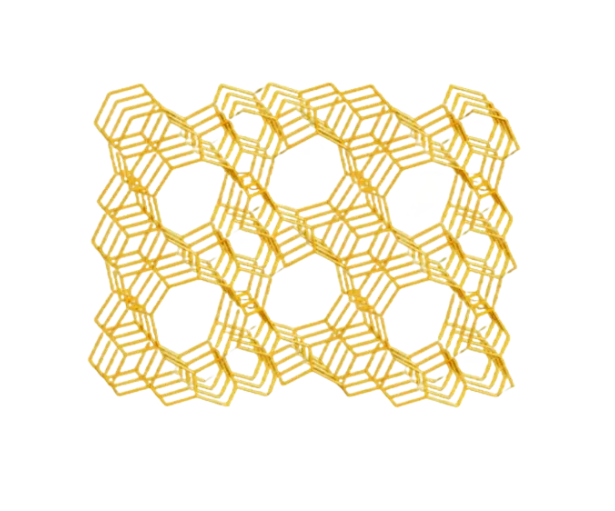
Molecular sieves are highly porous crystalline materials that selectively adsorb certain molecules based on their size. These sieves are typically made from zeolites, which have a uniform pore structure. When a molecule fits into the sieve’s pores, it is adsorbed, while larger molecules are excluded. This selective adsorption capability makes molecular sieves extremely effective at removing moisture and other unwanted molecules from gases and liquids. Their ability to adsorb only specific molecules makes them a superior choice in various industries requiring precise moisture control or separation of different substances.
Molecular sieves operate on the principle of molecular size exclusion. The pore sizes of these sieves are measured in angstroms (Å). 3A molecular sieve has pores of 3Å, 4A has 4Å, and 5A has 5Å. The pore size determines which molecules can be absorbed. For example, a 3A sieve can adsorb water molecules but will exclude larger molecules such as methane or hydrocarbons. This selectivity is important for applications that require the removal of only certain types of molecules, like moisture, without affecting other compounds in the mixture.
When choosing a molecular sieve, always consider the size of the molecules you need to adsorb. For smaller molecules like water, a 3A sieve works well, while larger molecules require 4A or 5A sieves.
| Property | 3A Molecular Sieve | 4A Molecular Sieve | 5A Molecular Sieve |
|---|---|---|---|
| Pore Size (Å) | 3 | 4 | 5 |
| Adsorbed Molecules | Water, Alcohols, Small Polar Molecules | Water, CO2, Small to Medium Molecules | Nitrogen, Oxygen, CO2 |
| Main Applications | Ethanol Drying, Refrigerant Drying, Petroleum Gas Drying | Air and Natural Gas Drying, Refrigerant Drying, Purification of Argon | Natural Gas Drying, Oxygen/Nitrogen Separation, Petroleum Dewaxing |
| Regeneration Capability | High | High | High |
| Efficiency | High for Small Molecules | Balanced for Small to Medium Molecules | Best for Larger Molecules |
The pore size of a molecular sieve plays a crucial role in its adsorption performance. Smaller pores in the 3A sieve are ideal for adsorbing smaller molecules such as water, while the larger pores of the 4A and 5A sieves can adsorb larger molecules, including gases and hydrocarbons. A sieve with smaller pores will have a more selective adsorption capacity, but it may not perform well for larger molecules. Conversely, a sieve with larger pores can handle a broader range of molecules, but may be less selective for certain small molecules.
For example:
3A Molecular Sieve: Adsorbs water, alcohols, and small polar molecules.
4A Molecular Sieve: Adsorbs water, carbon dioxide, and other small to medium molecules.
5A Molecular Sieve: Adsorbs larger molecules like nitrogen, oxygen, and carbon dioxide.
Each molecular sieve type is designed to adsorb specific molecules based on its pore size:
3A: Best for drying gases like nitrogen, helium, neon, and removing moisture from liquids like ethanol. It is particularly effective at absorbing smaller polar molecules like water and alcohol.
4A: Suitable for drying air, natural gas, refrigerants, and removing carbon dioxide. Its slightly larger pore size allows it to adsorb a wider variety of molecules, including gases and small polar compounds.
5A: Primarily used for drying natural gas, separating oxygen from nitrogen, and removing moisture from petroleum products. This sieve is ideal for adsorbing larger molecules, including oxygen and carbon dioxide.
When selecting a molecular sieve, ensure its pore size matches the molecule size you need to adsorb to maximize efficiency.
Petroleum Cracked Gas Drying: Removes moisture from gases produced during the petroleum cracking process, ensuring the quality and stability of the gas.
Ethanol Drying: Efficiently removes water from ethanol, making it suitable for the alcohol industry, where moisture removal is critical for product purity.
Refrigerant Drying: Removes moisture from refrigerants to ensure system efficiency and prevent freezing or corrosion in HVAC systems.
Air Drying for Insulating Glass: Prevents condensation in insulated glass units by drying the air inside, which is essential for maintaining the integrity of the glass and preventing fogging.
The 3A molecular sieve is a powerful desiccant with high moisture adsorption capacity. Its smaller pore size makes it ideal for adsorbing water and small molecules, ensuring that the surrounding environment stays dry. Additionally, it offers excellent regeneration properties, meaning it can be reused after absorbing moisture by heating it to a certain temperature. The sieve’s ability to selectively adsorb water while excluding larger molecules increases its effectiveness in precision applications.
3A molecular sieve is a great choice for applications requiring fast moisture removal from small molecules, especially in refrigeration and insulation systems. Its high performance and ability to regenerate make it cost-effective in the long run.
Deep Drying of Air and Natural Gas: Ideal for drying gases with higher moisture content, particularly in industrial applications where the purity of the gas is important.
Refrigerant Drying: Efficiently removes moisture from refrigerants in HVAC systems, ensuring their optimal functioning.
Purification of Argon: Used in the production of high-purity argon for industries that require gases free of moisture and other contaminants.
Static Drying of Pharmaceuticals and Electronics: Ensures sensitive materials, such as pharmaceuticals and electronic components, remain moisture-free during storage and shipping.
The 4A molecular sieve is effective at adsorbing both water and small gases such as carbon dioxide. Its slightly larger pore size allows it to handle a broader range of applications. Like the 3A sieve, it can be regenerated by heating, ensuring it remains effective for extended periods. The 4A sieve offers a balance of performance and versatility, making it suitable for both industrial and specialized applications.
For industries where both moisture and gas impurities need to be removed, 4A offers a balanced solution that combines high adsorption capacity with versatility. It is particularly useful in drying gases and liquids that require both high efficiency and the ability to handle a variety of contaminants.
Natural Gas Drying: Removes moisture from natural gas in various industrial applications, including gas purification and processing.
Oxygen and Nitrogen Separation: Separates gases based on molecular size, essential in oxygen production and other gas separation processes.
Desulfurization and Carbon Dioxide Removal: Used in refining natural gas and other processes to remove sulfur and CO₂, improving the quality of the gas and meeting environmental regulations.
Petroleum Dewaxing: Separates normal alkanes from branched or cyclic hydrocarbons in the oil industry, improving the quality of petroleum products.
The 5A molecular sieve has the largest pores, making it ideal for separating larger molecules. It can efficiently handle both gas and liquid phase separations. Its ability to adsorb nitrogen, oxygen, and CO₂ makes it valuable in the petrochemical and natural gas industries. Additionally, it has excellent regeneration properties, making it suitable for high-demand applications where large volumes of gas need to be processed.
If your application involves separating larger molecules or removing CO₂ from gases, 5A is the best choice for efficient and long-lasting performance. Its superior adsorption capacity makes it particularly effective in complex separation processes.
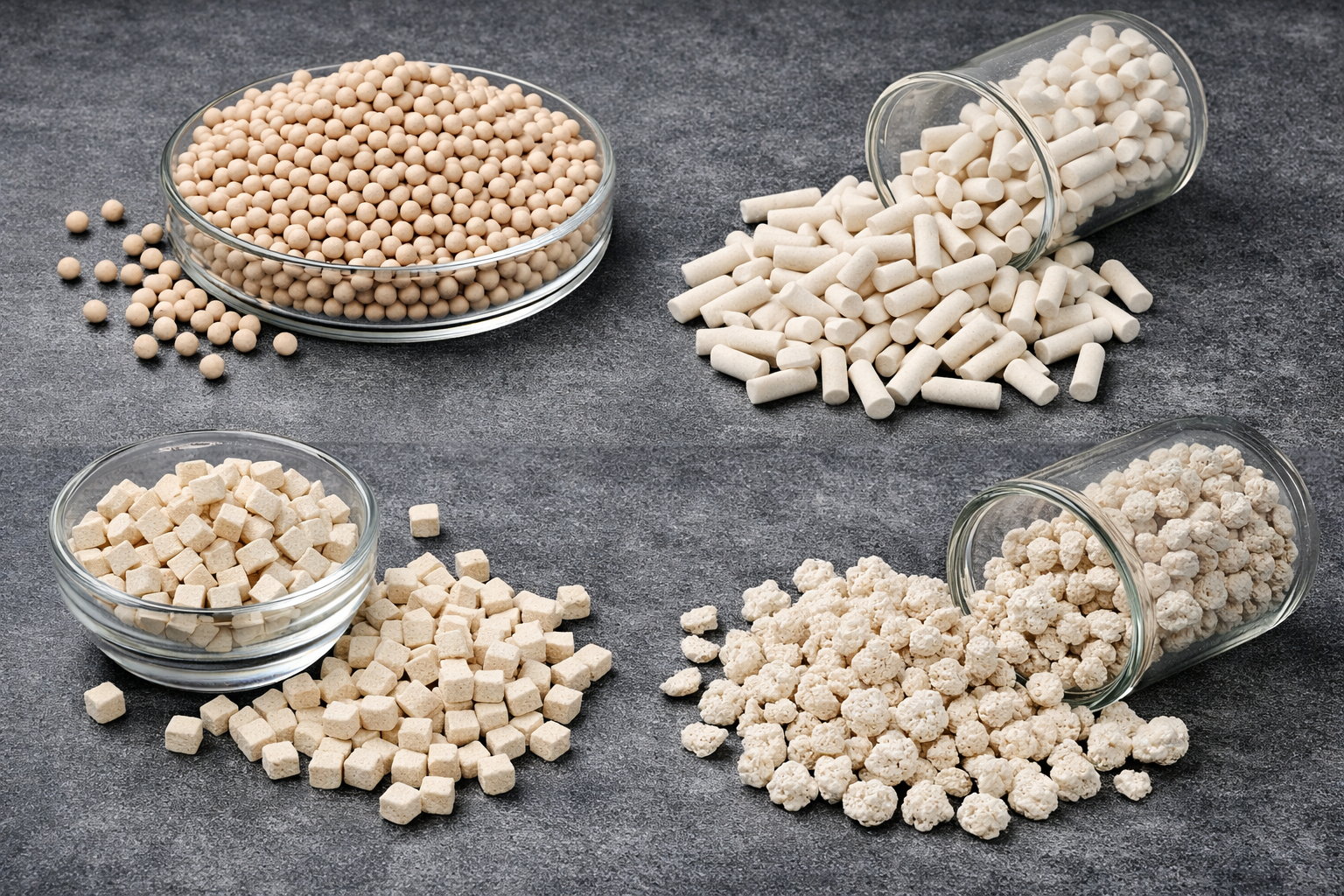
| Application Type | Recommended Molecular Sieve |
|---|---|
| Moisture Removal from Small Molecules | 3A Molecular Sieve |
| Natural Gas Drying | 4A or 5A Molecular Sieve |
| Gas Separation (Oxygen/Nitrogen) | 5A Molecular Sieve |
| Refrigerant Drying | 3A or 4A Molecular Sieve |
| Petroleum Cracking Gas Drying | 3A Molecular Sieve |
| Desulfurization and CO2 Removal | 5A Molecular Sieve |
| Factor | What to Consider |
|---|---|
| Pore Size | Ensure it matches the molecule size to be adsorbed. |
| Molecule Type | Choose a sieve based on the size and type of molecules (water, gas, etc.). |
| Operational Conditions | Check temperature, pressure, and environmental requirements. |
| Regeneration | Ensure the sieve can be regenerated for long-term use. |
| Cost-Effectiveness | Consider the total cost of ownership, including regeneration needs. |
3A: Best for moisture removal in smaller molecules like air and ethanol. Ideal for refrigeration, insulation, and alcohol drying.
4A: Ideal for drying natural gas and removing CO₂ in industrial processes. Suitable for a wide range of gases and liquids, especially in chemical and pharmaceutical applications.
5A: Perfect for gas separation in natural gas and oxygen production. Also useful in petroleum dewaxing and high-capacity moisture removal.
Always consider both the specific needs of your application and the physical properties of the molecular sieve to ensure optimal performance and longevity. This will help maximize the efficiency and cost-effectiveness of your operations.
Choosing the right molecular sieve is crucial for optimal moisture control and molecular separation. The 3A sieve is perfect for small molecules, while the 4A sieve is more versatile for gases and liquids. The 5A sieve excels in separating larger molecules like nitrogen and CO₂.
Ultimately, the right choice depends on your specific needs, such as molecule size, regeneration ability, and operational conditions. Regular monitoring and regeneration will extend the sieve’s lifespan and maintain system efficiency.
For high-performance molecular sieves, Shandong Yutai Chemical Co., Ltd. offers reliable solutions that enhance your operations, providing value through durable and efficient products.
A: A molecular sieve is a highly porous material that adsorbs specific molecules based on their size. It is commonly used for drying gases and liquids by selectively removing moisture and other impurities.
A: The choice depends on the molecule size you need to adsorb. 3A molecular sieve is ideal for small molecules like water, while 4A is more versatile for gases and liquids, and 5A works best for separating larger molecules such as nitrogen and CO₂.
A: Molecular Sieve 3A is highly effective for ethanol drying because its small pore size allows it to adsorb water while excluding larger molecules, ensuring high purity in ethanol production.
A: Yes, molecular sieves can be regenerated by heating them to specific temperatures, allowing them to maintain efficiency and prolong their useful life.
A: The cost can vary depending on the pore size and application. Generally, 3A molecular sieve is more affordable for small molecule adsorptions, while 5A tends to be more expensive due to its ability to handle larger molecules and complex separations.


