
Views: 0 Author: Site Editor Publish Time: 2026-02-10 Origin: Site


Are you struggling with low efficiency in your refinery operations due to dirty feed? Contaminants like sulfur and heavy metals can damage catalysts and equipment, leading to costly downtime.
In this article, we will explore how zeolite powders are the key solution to this problem, improving feed quality and refining efficiency.
The term "dirty feed" refers to the presence of unwanted contaminants in the raw material entering refinery processes. Common contaminants in dirty feed include:
● Sulfur compounds – These can lead to the formation of hydrogen sulfide (H₂S), which is corrosive and problematic in catalytic processes.
● Heavy metals like nickel and vanadium, which can poison catalysts and increase maintenance costs.
● Particulate matter such as dust, sand, and catalyst fines that can physically clog or wear down equipment.
Dirty feed significantly impacts refinery operations, particularly the catalysts and equipment used in refining processes. As contaminants accumulate, they lead to several operational challenges that directly affect the efficiency of key processes like hydrocracking, isomerization, and catalytic reforming.
● Fouling: Solid contaminants such as particulate matter accumulate and deposit on heat exchangers, pipes, and reactors. This build-up of material reduces heat transfer efficiency and increases pressure, leading to lower throughput and inefficient processing.
● Catalyst Deactivation: Many refining processes rely on catalysts to facilitate chemical reactions. Contaminants like sulfur and metals can poison these catalysts, reducing their ability to promote reactions effectively. This results in lower conversion rates, poorer product yields, and the need for frequent catalyst regeneration or replacement.
● Equipment Damage: Contaminants like sulfur compounds and solid particulates can also lead to corrosion and wear in the refining equipment. For example, sulfur can cause severe corrosion in reactors and pipes, leading to unexpected breakdowns and costly repairs.
Impact | Effect on Refining | Example |
Fouling | Reduces heat exchange efficiency and increases maintenance | Clogging of heat exchangers |
Catalyst Deactivation | Reduces catalyst lifespan and performance | Sulfur and metal poisoning |
Equipment Damage | Corrosion and wear, leading to increased operational costs | Damage to pipes and reactors |
Zeolite powders are natural or synthetic crystalline materials with a unique porous structure that makes them incredibly effective as catalysts in refinery operations. These powders consist of a network of micropores, mesopores, and macropores, which gives them a high surface area that is essential for adsorbing or filtering out contaminants from crude oil feedstock.
● High Surface Area: Zeolite powders have a significant surface area, typically in the range of 300–500 m²/g. This vast surface allows for enhanced interactions between the feedstock and the catalyst.
● Porosity: Their porous structure allows them to filter molecules based on size and shape, making them ideal for molecular sieving. This characteristic enables zeolite powders to separate contaminants such as sulfur compounds, heavy metals, and hydrocarbons.
● Acid Sites: Zeolites contain acidic sites that catalyze various chemical reactions, such as cracking and isomerization, improving the efficiency of refining processes and allowing for the conversion of heavy hydrocarbons into valuable products.
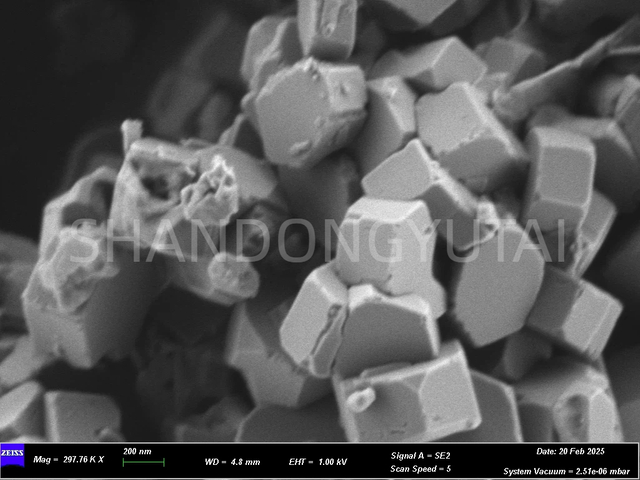
Zeolite powders act as molecular sieves, which means they can selectively adsorb certain molecules while excluding others based on their size and shape. In the context of refining:
● Contaminant Removal: Zeolite powders filter out impurities such as sulfur compounds, nickel, vanadium, and heavy metals, preventing these from interfering with downstream processes and causing damage to catalysts.
● Hydrocarbon Sorting: Zeolite powders help refine the feedstock by separating undesirable components, allowing for more efficient processing of hydrocarbons.
Filter Type | Functionality | Advantages |
Zeolite Powders | Molecular sieving, adsorbing small molecules | High selectivity, high surface area, thermal stability |
Conventional Filters | Physical removal of solids | Simpler design, but less effective at contaminant removal |
Activated Carbon | Adsorption of specific organic compounds | High adsorption capacity for organics, but limited for metals and sulfur |
● ZSM-5: Known for its MFI structure, ZSM-5 is highly effective in hydrocracking and isomerization, converting heavy hydrocarbons into valuable light products like gasoline and diesel.
● ZSM-23: With its unique CHA framework, ZSM-23 is ideal for hydrocracking and aromatics upgrading, enabling more efficient fuel production with reduced carbon emissions.
● ZSM-48: Featuring an MRE structure, ZSM-48 excels in dewaxing processes, helping improve the low-temperature properties of diesel fuel, making it suitable for use in cold environments.
These zeolite types are designed to increase catalyst activity, reduce coke formation, and enhance feedstock conversion, all of which are essential for maximizing output and reducing the cost of refining operations.
● Hydrocracking: Zeolite catalysts like ZSM-5 help break down heavy hydrocarbons into lighter, more valuable products, improving yield while minimizing undesirable byproducts.
● Desulfurization: Zeolite powders assist in removing sulfur from fuels, a critical step in meeting stringent environmental regulations for sulfur content in gasoline and diesel.
● Catalytic Reforming: Zeolites improve the quality of gasoline by converting low-octane hydrocarbons into high-octane components, optimizing the overall refining efficiency.
Zeolite powders not only improve refinery efficiency but also play a significant role in environmental sustainability. Their application in VOC removal, NOx reduction, and sulfur capture helps mitigate the environmental impact of petrochemical operations.
● VOC Removal: Zeolite powders help adsorb and remove volatile organic compounds (VOCs) from industrial emissions, reducing harmful air pollutants that contribute to smog and other environmental hazards.
● NOx Reduction: Zeolites, particularly ZSM-5 and its derivatives, are used in selective catalytic reduction (SCR) systems to reduce nitrogen oxide (NOx) emissions from industrial processes, improving air quality.
● Sulfur Capture: Zeolite powders are effective in removing sulfur compounds from refinery streams, ensuring that the final products meet low-sulfur fuel standards and reduce sulfur dioxide (SO₂) emissions.
Zeolite powders are highly effective in enhancing catalyst performance and extending their lifetime. By reducing the formation of coke and improving catalytic activity, zeolite catalysts help maintain optimal performance throughout long operation cycles.
● Coke Formation Minimization: Zeolite powders actively reduce coke deposition, which is one of the main causes of catalyst deactivation. This helps maintain the catalyst's efficiency and reduces the need for frequent regeneration or replacement.
● Thermal Stability: Zeolite catalysts, such as ZSM-5, are thermally stable and perform well under high temperatures, making them ideal for processes like hydrocracking and isomerization, where heat is a critical factor.
Zeolite powders help refineries optimize feedstock conversion while cutting down on operational expenses. By improving catalyst performance and effectively handling dirty feed, zeolite powders contribute significantly to cost savings.
● Lower Downtime: With improved catalyst longevity, the frequency of unplanned shutdowns is reduced, meaning refineries can maintain continuous operations.
● Reduced Maintenance Costs: Zeolite powders extend the lifecycle of refining equipment and catalysts, cutting maintenance costs over time and increasing the overall return on investment (ROI).
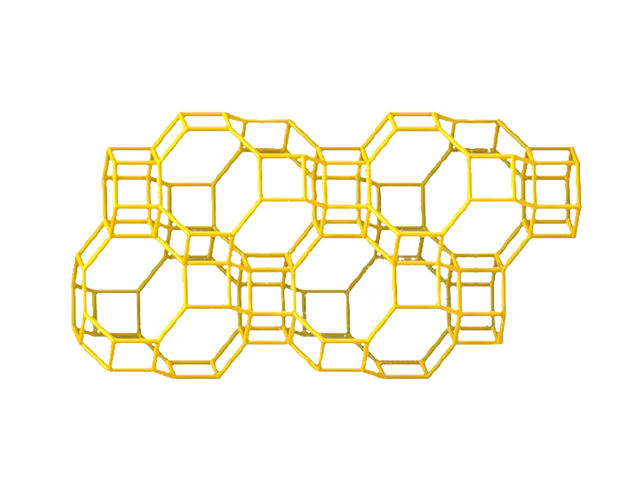
Zeolite powders not only optimize refining processes but also contribute to environmental sustainability. These materials play a crucial role in improving energy efficiency, reducing emissions, and enabling cleaner feedstock usage.
● VOC Removal: Zeolite powders, such as ZSM-5, are widely used in the removal of volatile organic compounds (VOCs), helping refineries meet environmental regulations and reduce air pollution.
● Sulfur Capture: They are also instrumental in capturing sulfur compounds from refinery streams, making the final products cleaner and reducing sulfur dioxide (SO₂) emissions into the atmosphere.
Yutai Chemical offers a wide range of customized zeolite solutions designed to meet the specific demands of different feedstocks and refining units. Whether for hydrocracking, dewaxing, or desulfurization, Yutai Chemical's zeolite powders can be tailored to optimize performance in various refining processes.
● ZSM-5 for Hydrocracking: Ideal for breaking down heavy hydrocarbons, ZSM-5 improves conversion rates in hydrocracking processes, increasing the yield of lighter, more valuable fuels.
● ZSM-48 for Dewaxing: The MRE structure of ZSM-48 makes it perfect for dewaxing in diesel fuel production, improving the low-temperature properties of the fuel, making it suitable for colder climates.
Several factors influence the selection of zeolite powders, making it essential to match the right type with the specific needs of your refinery.
● Pore Size: The pore size of zeolite powders determines which molecules can pass through and interact with the catalyst. For example, ZSM-5 with a MFI structure is ideal for hydrocracking and isomerization due to its well-defined pores that optimize the conversion of larger hydrocarbons into lighter fractions.
● Acidity: Zeolite powders’ acidic sites play a vital role in catalytic activity. Zeolite powders like ZSM-23 are selected for processes requiring strong acidity, such as aromatics upgrading and hydrocracking.
● Thermal Stability: The thermal stability of zeolite powders ensures they maintain their structure and catalytic properties under high temperatures, particularly during hydroprocessing and catalytic reforming.
● Selectivity: Zeolite powders offer selective catalytic properties, making them ideal for targeted reactions like sulfur removal or hydrocarbon cracking, depending on the refining process.
Zeolite Type | Refining Process | Key Feature |
ZSM-5 | Hydrocracking, Isomerization | High surface area, MFI structure |
ZSM-23 | Aromatics upgrading | High acidity, CHA framework |
ZSM-48 | Dewaxing, Diesel fuel production | MRE structure for low-temperature fuels |
Integrating zeolite powders from Shandong Yutai Chemical Co., Ltd. into your existing refining systems can be done with minimal modifications to your infrastructure. Zeolite powders fit well into current systems, offering a seamless transition from older technologies.
● Filtration Systems: Zeolite powders can be used in pre-treatment filtration systems to remove contaminants like sulfur, metals, and particulates before the feed enters the refining unit. This reduces the load on downstream catalysts and improves overall process efficiency.
● Desulfurization: Zeolite powders help in desulfurizing crude oil feedstocks, effectively removing sulfur compounds that would otherwise deactivate catalysts and produce undesirable emissions.
To get the most out of zeolite powders, regular monitoring and maintenance are key to ensuring their effectiveness in refining operations.
● Regular Monitoring: Monitor the performance of zeolite powders to detect any signs of deactivation or clogging, which may indicate a need for regeneration or replacement. Regular checks on pressure drops and conversion rates can help spot issues early.
● Feedstock Pretreatment: Proper feedstock pretreatment, including filtration and desulfurization, ensures that contaminants like metals and sulfur don’t interfere with zeolite powder performance. These pretreatment steps improve the efficiency of the zeolite powder and prevent fouling in refining equipment.
Yutai Chemical understands that each refinery has its own unique set of requirements, which is why they offer customized zeolite powder solutions. Whether you’re processing heavy oil or high-sulfur feedstocks, Yutai Chemical works closely with customers to develop tailored solutions for specific refinery units.
● Custom Solutions for Heavy Oil Refining: For refineries dealing with heavy crude oil, ZSM-48 is often recommended due to its ability to handle larger molecules and improve low-temperature fuel properties.
● High-Sulfur Feedstock Solutions: If your refinery processes high-sulfur feedstocks, Yutai Chemical can provide zeolite powders that are specifically designed to handle sulfur removal, improving product quality and reducing emissions.
The "dirty feed" problem in refineries is caused by contaminants like sulfur and heavy metals that impact refining efficiency. Zeolite powders are an effective solution, offering high surface area and molecular sieve properties to filter contaminants.
Yutai Chemical provides tailored zeolite powder solutions for hydrocracking, desulfurization, and aromatics upgrading, improving product yields and reducing operational costs.
A: Zeolite powders are catalysts used to filter contaminants like sulfur and heavy metals in refinery processes. Their molecular sieve properties improve refining efficiency.
A: Zeolite powders extend catalyst life, reduce coke formation, and enhance catalytic activity, improving conversion rates and overall refining processes.
A: Zeolite powders like ZSM-5 help convert heavy hydrocarbons into lighter, valuable products by enhancing the efficiency of hydrocracking processes.
A: Zeolite powders are excellent at removing sulfur compounds from crude oil feedstocks, ensuring cleaner fuels and compliance with environmental regulations.
A: Yutai Chemical offers tailored zeolite powder solutions, including ZSM-48 for dewaxing and ZSM-5 for isomerization, designed to meet specific refining n


