
Views: 0 Author: Site Editor Publish Time: 2026-01-23 Origin: Site


In industrial processes such as petroleum refining, petrochemical production, and catalytic reforming, catalysts play an essential role in speeding up reactions and improving overall efficiency. However, one of the most significant challenges faced by catalysts is coking, the accumulation of carbon deposits that block the active sites on a catalyst, rendering it ineffective. This issue can drastically shorten the catalyst's lifespan and lead to costly downtime due to frequent regeneration cycles.
To ensure longer-lasting catalysts, manufacturers and engineers are turning to anti-coking technologies. One of the most effective solutions is the use of Zeolite powders, which enhance the catalyst's resistance to coking. By incorporating Zeolite powders into catalyst formulations, it is possible to significantly extend the catalyst’s operational life, reduce maintenance costs, and improve overall process efficiency. In this article, we will explore the importance of anti-coking performance, how Zeolite powders contribute to it, and the benefits of choosing catalysts with superior anti-coking properties.
Coking is the process by which carbon builds up on the surface of a catalyst during chemical reactions, particularly those that involve high temperatures or the presence of carbon-containing compounds. This carbon, often in the form of soot or coke, gradually blocks the active sites of the catalyst, preventing it from facilitating the intended reactions. As a result, the catalyst loses its effectiveness and requires regeneration.
In some cases, excessive coking can even lead to the permanent deactivation of the catalyst, making it unusable and necessitating a costly replacement. The need for frequent regeneration and the associated downtime can lead to increased operational costs, lower production efficiency, and ultimately, a shorter lifespan for the catalyst.
To address these challenges, improving the anti-coking performance of catalysts is critical to ensuring long-term effectiveness and reducing the frequency of maintenance.
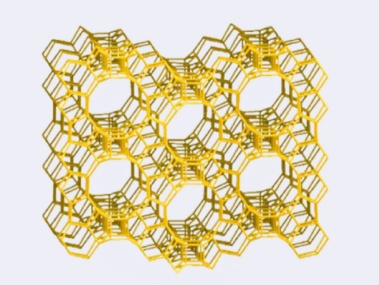
Zeolite powders are highly effective in improving the anti-coking performance of catalysts, making them an essential material in many industrial catalytic processes. Zeolites are crystalline aluminosilicate minerals that feature a unique porous structure, providing them with a high surface area. This high surface area is essential for their effectiveness, as it allows Zeolite powders to support active catalytic sites while preventing excessive coke buildup.
One of the key benefits of Zeolite powders is their ability to absorb carbon at a slower rate, which helps prevent the rapid formation of coke on the catalyst’s surface. Coking is a common issue in high-temperature catalytic processes, such as catalytic cracking and reforming, where carbon tends to accumulate and block active sites. With the addition of Zeolite powders, this carbon buildup is mitigated, and the catalyst’s efficiency is maintained for a longer period. By absorbing carbon more gradually, zeolites ensure that the catalyst remains active and efficient throughout its operating lifespan.
Additionally, Zeolite powders help distribute reactants more evenly across the surface of the catalyst. This even distribution minimizes the formation of "hotspots," which are areas where carbon tends to accumulate. These hotspots, if left unchecked, can cause localized coke buildup and reduce the overall effectiveness of the catalyst. By preventing the formation of hotspots, zeolites help ensure a smoother, more efficient reaction process.
Zeolites also have the unique ability to withstand high temperatures without degrading. This thermal stability is crucial for their use in industrial processes, where temperatures can exceed 1000°C. Unlike other materials that may degrade or lose their structural integrity under heat, Zeolites remain stable and retain their catalytic activity, making them ideal for high-heat applications where coking is most prevalent.
Overall, the use of Zeolite powders in catalysts offers a significant advantage in reducing coking, maintaining catalyst performance, and extending the catalyst’s lifespan, all of which contribute to more efficient and cost-effective operations.
Benefit | Impact on Anti-Coking Performance |
High Surface Area | Increases active site availability and reduces coke buildup by providing more space for reactions. |
Thermal Stability | Resists high temperatures, preventing degradation and ensuring consistent catalyst performance. |
Porous Structure | Allows for better distribution of reactants, reducing the formation of carbon hotspots. |
Regeneration Resistance | Zeolites resist rapid coke accumulation, reducing the need for frequent catalyst regeneration. |
By incorporating Zeolite powders into catalysts, the overall coking process is slowed down, and the catalyst maintains its activity for longer periods. This not only reduces the need for costly maintenance and regeneration cycles but also ensures that the catalyst can operate efficiently over extended periods, maximizing productivity.
Several factors contribute to coking in catalysts, and understanding these factors is key to preventing or mitigating its effects.
High temperatures are one of the primary causes of coking, particularly in reactions that involve cracking or reforming hydrocarbons. As temperatures rise, the likelihood of coke formation increases. Catalysts used in these processes must therefore be designed to withstand high heat while minimizing carbon buildup.
The type of feedstock used in a process can also contribute to coking. Feedstocks that contain high levels of carbon, such as heavy oils or gases, are more likely to result in coke formation during processing. The presence of impurities, such as sulfur, metals, or asphaltenes, can also exacerbate the problem.
The structure and material of the catalyst play a significant role in its susceptibility to coking. Catalysts with low thermal stability or poorly designed surfaces are more prone to coke buildup. Zeolites are ideal because of their high stability, ensuring they can handle aggressive reactions without succumbing to excessive coking.
Operating conditions, such as the pressure and flow rate, can also influence coking. High pressure can cause reactants to stay in contact with the catalyst for longer periods, which increases the chances of coke formation. Optimizing these conditions is crucial for extending the lifespan of the catalyst.
Using Zeolite powders in catalysts not only improves their anti-coking properties but also enhances other aspects of catalyst performance. Here’s a deeper look at how Zeolite powders contribute to the longevity of catalysts:
Zeolites are known for their incredible structural stability, which allows them to resist thermal degradation even in high-temperature environments. This is especially important in catalytic processes such as fluid catalytic cracking (FCC), where catalysts are exposed to extreme conditions. By incorporating Zeolite powders into your catalyst formulation, you ensure that the catalyst remains stable and performs effectively for longer periods.
The porous nature of Zeolite powders allows for even distribution of reactants across the catalyst surface. This prevents localized hotspots that can lead to excessive coke buildup. The even distribution of heat and reactants ensures that the catalyst operates more efficiently, reducing wear and tear over time.
By improving the anti-coking performance of catalysts, Zeolite powders reduce the frequency of catalyst regeneration. Regeneration is a costly and time-consuming process that often leads to downtime and productivity losses. With Zeolite powders incorporated into your catalyst, you can extend its operational life and reduce the need for frequent regeneration cycles, ultimately saving on maintenance costs.
As the demand for more efficient, cost-effective catalytic processes grows, the need for catalysts with superior anti-coking performance has never been more important. Zeolite powders offer a proven solution to reduce coke formation, extend catalyst life, and improve overall process efficiency. By incorporating Zeolite powders into your catalyst design, you can ensure long-lasting performance, reduced maintenance, and increased productivity.
At Shandong Yutai Chemical Co., Ltd., we specialize in providing high-quality Zeolite powders that enhance the performance and durability of your catalysts. Our Zeolite powders are designed to meet the needs of industries that rely on catalytic processes, including petrochemicals, refining, and environmental control.
If you're looking to improve the anti-coking performance of your catalysts and extend their lifespan, feel free to contact us for more information. Our team of experts is ready to assist you in finding the right solution for your business needs.
1. What is coking in catalysts, and why is it a problem?
Coking is the buildup of carbon deposits on the catalyst surface, which blocks active sites and reduces the catalyst's effectiveness. It leads to lower productivity, increased maintenance costs, and shorter catalyst lifespans.
2. How do Zeolite powders prevent coking in catalysts?
Zeolite powders prevent coking by providing a stable surface that resists carbon accumulation. Their porous structure allows for better distribution of reactants and reduces the formation of carbon hotspots.
3. How often do catalysts with Zeolite powders need to be regenerated?
Catalysts with Zeolite powders typically require less frequent regeneration because the Zeolite enhances their anti-coking properties, extending their operational life and reducing downtime.
4. Can Zeolite powders be used in all types of catalysts?
Yes, Zeolite powders can be used in a wide range of catalysts, including those used in refining, petrochemicals, and environmental control, to improve anti-coking performance and overall efficiency.


