
Views: 0 Author: Site Editor Publish Time: 2026-01-12 Origin: Site


The aromatization process plays a critical role in the petrochemical industry, particularly in the production of BTX (benzene, toluene, and xylene), which are essential raw materials for various industrial applications. However, achieving high BTX yield traditionally involves costly catalysts and complex processes. As the demand for BTX continues to rise, industries are under pressure to improve production efficiency and reduce costs.
One of the most effective ways to achieve this is by optimizing the aromatization process with the use of zeolite powders. These natural or synthetic minerals are highly regarded for their catalytic properties and their ability to enhance the yield of aromatic hydrocarbons in a cost-effective manner. At Shandong Yutai Chemical Co., Ltd., we specialize in providing high-quality zeolite powders that are designed to maximize BTX yield while minimizing operational costs. In this article, we will delve into the role of zeolite powders in aromatization, explore their benefits, and discuss how they can significantly improve the efficiency and economics of BTX production.
Aromatization is a chemical process that converts aliphatic hydrocarbons, such as naphtha or methane, into aromatic hydrocarbons, which include benzene, toluene, and xylene—the three key components in BTX production. This process involves the dehydrogenation of saturated hydrocarbons, leading to the formation of unsaturated aromatic rings.
Aromatization is widely used in refineries and petrochemical plants, as BTX is a crucial ingredient in producing various products such as plastics, synthetic fibers, rubber, and paints. The demand for BTX continues to grow due to its critical role in the manufacturing of consumer goods, chemicals, and solvents.
However, the high cost of the aromatization process, particularly the catalysts used, has led the industry to search for more affordable solutions. Zeolite powders have emerged as an effective catalyst for aromatization, providing a cost-efficient alternative to traditional methods.
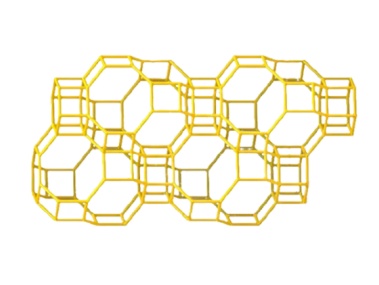
Zeolite powders are microporous, crystalline materials that can catalyze a wide range of chemical reactions, including the aromatization process. Due to their unique structure, zeolites offer several advantages in catalytic processes like aromatization:
High Surface Area:
Zeolite powders possess a high surface area, providing more active sites for the reaction to occur. This increases the efficiency of the aromatization process and ultimately boosts the BTX yield. A larger surface area allows more molecules to interact with the catalyst, accelerating the reaction rate.
Shape-Selective Catalysis:
Zeolites have a well-defined pore structure, which allows them to selectively catalyze certain reactions based on the size and shape of the molecules. This shape-selectivity ensures that only the desired aromatic hydrocarbons are produced, increasing the yield of BTX while reducing the formation of unwanted byproducts.
Thermal Stability:
Zeolite catalysts are highly stable at elevated temperatures, which makes them ideal for use in high-temperature reactions like aromatization. Their ability to withstand high temperatures improves the overall efficiency of the process, enabling continuous production of BTX with minimal catalyst degradation.
Regenerability:
Another key benefit of zeolite powders is their ability to be regenerated after use. Unlike some other catalysts, zeolites can be cleaned and reused multiple times, reducing the need for constant replacement and lowering operational costs.
Using zeolite powders in the aromatization process offers several significant benefits, particularly in terms of cost reduction, process optimization, and environmental sustainability. As demand for BTX (benzene, toluene, and xylene) grows, businesses in the petrochemical and refining industries are constantly seeking ways to improve efficiency, reduce operational costs, and maintain high-quality outputs. Zeolite powders have emerged as an ideal solution for boosting BTX yield while ensuring a cost-effective and environmentally-friendly process.
Let’s delve deeper into the key advantages of incorporating zeolite powders into aromatization:
One of the primary reasons zeolite powders are gaining popularity in the aromatization process is their cost-effectiveness. Traditional catalysts, such as platinum or rhenium, are typically expensive and require frequent replacement or regeneration. In contrast, zeolite powders offer an affordable alternative without compromising on performance or yield.
Affordable Alternative: Zeolite powders are significantly less expensive than precious metal-based catalysts, which means refineries and petrochemical plants can save on catalyst procurement costs.
Reduced Operating Costs: By opting for zeolite powders, companies can allocate their budgets to other areas while still achieving high-quality results in BTX production.
Zeolite powders are known for their high surface area and shape-selective catalytic properties, making them highly effective in the aromatization process. The increased surface area allows for more reaction sites, improving the overall efficiency of the catalyst and promoting a higher conversion rate of aliphatic hydrocarbons into aromatic hydrocarbons like BTX.
Shape-Selective Catalysis: The microporous structure of zeolite powders allows them to selectively catalyze the conversion of certain hydrocarbons into BTX. This ensures that more of the desired product is formed while reducing the formation of unwanted byproducts.
Optimized Conversion: Due to their high surface area, zeolite powders provide more active sites for reactions, allowing for a greater amount of BTX to be produced per unit of feedstock.
Another significant benefit of using zeolite powders in the aromatization process is the reduction in operating costs. Zeolite-based catalysts can be regenerated and reused multiple times, unlike traditional catalysts that may need frequent replacement. This regeneration capability contributes to significant cost savings over time.
Regenerability: Zeolite powders do not degrade as quickly as traditional catalysts, meaning they can be used repeatedly without a significant loss in efficiency. This reduces the need for frequent catalyst replacements, which can be costly and time-consuming.
Reduced Catalyst Replacement Costs: The ability to regenerate zeolite powders means that companies do not have to invest in new catalysts as often, leading to long-term savings and fewer interruptions in the production process.
Optimized Reaction Conditions: Zeolites help optimize the conditions under which aromatization takes place. By maintaining the ideal temperature and pressure levels, businesses can reduce the amount of energy required during the reaction, further lowering operating costs.
In addition to their economic benefits, zeolite powders also offer environmental advantages. As global industries face increasing pressure to adopt more sustainable practices, zeolite-based catalysts present an environmentally-friendly solution for the aromatization process.
Reduced Byproducts: Unlike traditional catalysts, zeolite powders produce fewer byproducts, making the aromatization process cleaner and more efficient. This reduces waste and helps minimize the environmental footprint of the BTX production process.
Non-Toxic: Zeolite powders are non-toxic, making them a safer alternative to many other catalysts that may require hazardous materials. This reduces the risk of toxic exposure to workers and lowers the environmental impact associated with the disposal of hazardous substances.
Sustainability: As zeolite powders can be regenerated and reused, they contribute to a more sustainable production process. This reduces the need for constant mining or extraction of raw materials for catalyst production, further promoting sustainability.
By choosing zeolite powders, companies can align their operations with global sustainability goals, reduce waste, and contribute to a cleaner, more efficient industry.
Benefit | Explanation |
Cost-Effective Catalyst | Zeolite powders are more affordable than traditional catalysts, reducing overall costs. |
Increased Yield | Zeolite powders provide higher conversion rates, leading to increased BTX production. |
Lower Operating Costs | Regenerability of zeolite powders reduces catalyst replacement costs and optimizes energy use. |
Environmental Benefits | Zeolite powders produce fewer byproducts and are non-toxic, making them environmentally friendly. |
In conclusion, zeolite powders are an excellent choice for boosting BTX yield in the aromatization process. Their cost-effectiveness, high surface area, and thermal stability make them ideal for both small-scale and large-scale operations. By using zeolite powders, producers can increase their BTX yield, lower operational costs, and minimize their environmental impact, all while maintaining the quality and efficiency of their production process.
At Shandong Yutai Chemical Co., Ltd., we specialize in providing high-quality zeolite powders designed to optimize the aromatization process. Our products are engineered to meet the diverse needs of the petrochemical industry, offering solutions that enhance BTX production while reducing costs. For more information on how our zeolite powders can improve your aromatization process, feel free to contact us. Our team is here to help you choose the best solution for your production needs.
Zeolite powders provide several benefits, including cost-effectiveness, high surface area for better catalytic activity, shape-selective catalysis, thermal stability, and the ability to be regenerated for repeated use.
Zeolite powders enhance BTX yield by providing efficient catalytic activity and selective conversion of aliphatic hydrocarbons into aromatic hydrocarbons, resulting in higher production and reduced byproducts.
Yes, zeolite powders are non-toxic and environmentally friendly. They produce fewer waste products compared to traditional catalysts, making them a sustainable choice for BTX production.
Zeolite powders are highly durable and can be regenerated multiple times, reducing the need for frequent replacement and contributing to long-term cost savings in BTX production.


