
Views: 0 Author: Site Editor Publish Time: 2026-01-16 Origin: Site


In the chemical and petrochemical industries, BTX (Benzene, Toluene, Xylene) are crucial raw materials used in a wide range of products, including plastics, detergents, and synthetic fibers. These compounds are typically produced through catalytic reforming or alkylation processes, with zeolite catalysts playing an essential role. However, many facilities experience a drop in BTX yield at some point, which can lead to inefficiencies, increased costs, and lower productivity.
In this article, we will explore the common causes of a drop in BTX yield, as well as how you can address these issues. Zeolite powders, a critical component of catalysts in BTX production, may be one of the factors contributing to poor yields. Understanding how to optimize and maintain the zeolite catalyst system is key to improving the efficiency of your BTX processes.
BTX refers to three important aromatic hydrocarbons: Benzene, Toluene, and Xylene. These chemicals are widely used in industries like plastics manufacturing, pharmaceutical production, and synthetic fibers. BTX are typically obtained from crude oil and natural gas refining processes, with catalytic reforming being the most common method of production. Zeolite catalysts are often employed to facilitate these reactions efficiently.
A high BTX yield means that the production process is running optimally, converting raw materials into the desired products efficiently. A drop in yield can lead to significant losses in productivity and profit margins, especially when producing high-demand chemicals. Therefore, it’s essential to understand the factors that can cause this yield to drop and take corrective actions.
Catalyst deactivation is one of the most common and significant reasons behind a BTX yield drop. In catalytic reforming, the zeolite catalyst plays a vital role in facilitating the chemical reactions that convert hydrocarbons into BTX (Benzene, Toluene, Xylene). Over time, however, the catalyst may experience a reduction in activity, causing it to lose its effectiveness and, consequently, lowering the overall BTX yield. Several factors contribute to catalyst deactivation, each impacting the catalyst in different ways.
Carbon deposition is one of the primary causes of catalyst deactivation. As the reforming process progresses, carbon atoms can accumulate on the surface of the zeolite catalyst. This buildup of carbon (also known as coking) blocks the active sites of the catalyst, which are crucial for facilitating chemical reactions. When these active sites become blocked, the catalyst's ability to promote reactions decreases, leading to lower efficiency and reduced BTX production. Carbon deposition is a natural byproduct of the reforming process, but excessive buildup can significantly hinder catalyst performance.
Another critical issue contributing to catalyst deactivation is poisoning. Feedstock impurities such as sulfur compounds, chlorine, and heavy metals can attach to the active sites of the catalyst, reducing its ability to function effectively. When the catalyst becomes poisoned, the reforming reactions slow down, resulting in lower yields. These impurities are often present in crude oil or natural gas, and if not properly removed before the reforming process, they can negatively affect catalyst performance.
Fouling occurs when solid deposits or coke form on the catalyst surface, further hindering its activity. These deposits can result from incomplete combustion or chemical reactions that produce solid byproducts. As fouling accumulates, the surface area of the catalyst decreases, leading to reduced efficiency in the reforming process. Fouling is a common issue in long-term operations, and without proper maintenance or cleaning, it can result in severe catalyst deactivation.
The quality of the feedstock is another critical factor in BTX production efficiency. Feedstocks with high levels of impurities, such as sulfur compounds or heavy metals, can lead to catalyst poisoning, coke formation, and deactivation. Low-quality feedstock can result in incomplete reactions, reduced conversion rates, and ultimately, lower BTX yield.
To ensure high BTX yield, it is essential to use clean, high-quality feedstocks and minimize contaminants that may affect the catalytic process.
The reaction conditions in the catalytic reforming process, such as temperature, pressure, and hydrogen-to-hydrocarbon ratio, can significantly impact BTX yield. If these conditions are not optimized, the reaction may not proceed efficiently, leading to lower yields. For example:
High Temperature: While high temperatures can speed up reactions, excessive heat can also degrade the catalyst and lead to increased carbon deposition.
Pressure Fluctuations: Inconsistent pressure can cause inefficient reactions, resulting in lower conversion rates.
Hydrogen Availability: Insufficient hydrogen in the system can affect the hydrogenation of certain compounds, reducing the overall yield.
Maintaining optimal reaction conditions is crucial to ensuring that the catalytic reforming process runs efficiently and delivers the desired BTX yield.
Zeolite powders are integral to the catalytic reforming process, as they act as the active component in the catalyst. The quality of these zeolite powders can directly affect the performance of the catalyst and the overall yield of BTX. Low-quality zeolites may have poor thermal stability, reduced acidity, or weak selectivity, all of which can lead to lower BTX yields.
Over time, the zeolite powder in the catalyst bed may become deactivated or fouled, affecting its ability to promote the reforming reaction efficiently. Regular monitoring and proper maintenance of zeolite powder quality are essential to sustaining optimal BTX production.
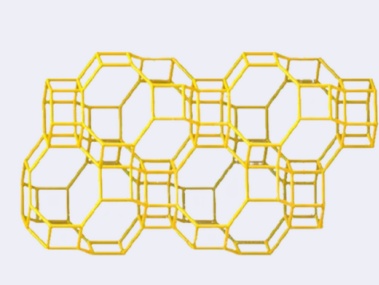
To combat catalyst deactivation, it is crucial to regenerate the zeolite catalyst regularly. Regeneration involves removing the carbon deposits, sulfur compounds, and other contaminants from the catalyst surface, restoring its activity. This can be done by heating the catalyst in the presence of oxygen or hydrogen, allowing for the removal of unwanted materials.
Proper catalyst regeneration will improve the lifetime and efficiency of the zeolite catalyst, leading to an increase in BTX yield.
Selecting high-quality zeolite powders is critical to the success of the catalytic reforming process. Zeolite powders with higher thermal stability, acidity, and selectivity will perform better in the reforming process and provide a higher BTX yield. Regular testing and monitoring of the zeolite quality can help identify potential issues early and ensure that only high-quality materials are used.
At Shandong Yutai Chemical Co., Ltd., we specialize in providing premium zeolite powders that are designed to optimize catalytic processes, improve BTX yield, and extend the lifetime of your catalysts.
To maximize BTX yield, it is essential to continuously monitor and optimize the reaction conditions. This includes:
Adjusting temperature to ensure that it is within the optimal range for the catalytic reaction.
Maintaining consistent pressure to ensure efficient reaction rates.
Ensuring adequate hydrogen supply to facilitate hydrogenation and improve the overall yield.
By regularly adjusting and optimizing these conditions, you can ensure that the catalytic reforming process remains efficient, leading to higher BTX yield and better productivity.
Improving feedstock quality is essential for maximizing BTX yield. Purifying the feedstock before it enters the reforming process will help reduce catalyst poisoning and increase the efficiency of the reaction. This can be done by:
Filtration to remove impurities.
Desulfurization to eliminate sulfur compounds.
Hydroprocessing to reduce contaminants.
Using cleaner feedstocks will lead to fewer issues with the catalyst and a higher BTX yield.
A drop in BTX yield can be caused by a variety of factors, including catalyst deactivation, poor feedstock quality, suboptimal reaction conditions, and low-quality zeolite powders. However, by addressing these issues with proper catalyst regeneration, high-quality zeolite powders, optimized reaction conditions, and cleaner feedstocks, you can improve your BTX yield and ensure more efficient production processes.
At Shandong Yutai Chemical Co., Ltd., we are committed to providing the highest quality zeolite powders that can enhance your catalytic reforming processes and improve BTX yields. Our premium products are designed to meet the specific needs of the petrochemical industry, helping you achieve better performance, longer catalyst life, and improved productivity.
For more information on our zeolite powders and how they can benefit your BTX production, we invite you to contact us today and discover how our solutions can make a difference in your operations.
Zeolite powders serve as the active component in the catalyst for catalytic reforming, which helps in converting hydrocarbons into BTX (Benzene, Toluene, Xylene). The quality and performance of zeolite powders directly affect BTX yield.
You can improve your BTX yield by optimizing reaction conditions, regenerating the catalyst, using high-quality zeolite powders, and ensuring the cleanliness of the feedstock.
A drop in BTX yield can be caused by catalyst deactivation, poor feedstock quality, inefficient reaction conditions, or low-quality zeolite powders.
Regular catalyst regeneration is important to maintain performance. It is recommended to regenerate the catalyst periodically based on the operating conditions and the degree of deactivation.


