
Views: 0 Author: Site Editor Publish Time: 2026-01-20 Origin: Site


The refining industry continually seeks ways to enhance fuel production, optimize processes, and improve product yields. One of the most promising solutions for improving the efficiency of refining processes, particularly in the aromatization of hydrocarbons, is the use of ZSM-5 zeolite powders. ZSM-5 is a type of zeolite, a highly porous material with excellent catalytic properties, making it invaluable in various chemical processes, including aromatization.
Aromatization is the process of converting hydrocarbons into aromatic compounds like benzene, toluene, and xylene, which are essential building blocks in the production of petrochemical products such as plastics, solvents, and synthetic fibers. ZSM-5, with its unique structure and catalytic properties, plays a critical role in enhancing the efficiency and selectivity of this process, making it indispensable for modern refineries.
In this article, we will explore the role of ZSM-5 zeolite powders in aromatization, how they work, the advantages they bring to refineries, and why they are considered a perfect match for enhancing refining processes. We will also examine the future potential of ZSM-5 in improving refining technology and product quality.
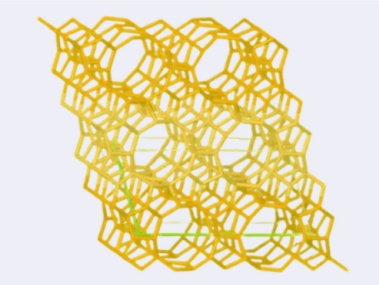
ZSM-5 is a synthetic zeolite material characterized by its highly ordered microporous structure. It has a well-defined framework with channels and cavities that are ideal for hosting catalytic reactions. ZSM-5’s unique structure provides a high surface area and a large number of active sites, making it an excellent catalyst in various petrochemical processes, including aromatization.
ZSM-5’s porous nature allows it to selectively adsorb and react with specific molecules, enabling refineries to carry out processes such as isomerization, cracking, and alkylation with great precision. These properties make ZSM-5 zeolite powder a valuable material in refining applications, especially in producing high-value aromatic hydrocarbons.
Aromatization is a key process in the refining industry that involves converting aliphatic hydrocarbons, such as propane, butane, and naphtha, into valuable aromatic hydrocarbons like benzene, toluene, and xylene. These aromatic compounds are essential building blocks in the production of petrochemicals, which are used in a variety of industries, including plastics, pharmaceuticals, and synthetic fibers.
ZSM-5, a type of zeolite catalyst, plays an integral role in aromatization reactions. Its ability to facilitate selective catalytic activity under the right conditions makes it particularly effective in converting hydrocarbons into aromatic compounds. ZSM-5’s unique microporous structure, along with its high selectivity, stability, and resistance to deactivation, makes it one of the most efficient catalysts for aromatization.
Understanding how ZSM-5 works in aromatization requires a closer look at the stages involved in the process. Let’s break down each step of the catalytic cycle:
Hydrocarbon Activation:
The aromatization process begins when the feedstock, typically a mixture of hydrocarbons such as propane, butane, or naphtha, enters the ZSM-5 catalyst. In this initial stage, ZSM-5 activates the hydrocarbons by breaking down the bonds of long-chain molecules. The catalyst's surface provides the ideal environment for this activation, enabling the hydrocarbons to undergo the necessary chemical changes for conversion. The activation process is crucial, as it determines how efficiently the hydrocarbon molecules will be converted into aromatic products.
Conversion to Aromatics:
Once the hydrocarbons are activated, they undergo a rearrangement process within the pores of the ZSM-5 catalyst. During this step, the activated hydrocarbons are rearranged into stable aromatic rings, which include benzene, toluene, and xylene—key aromatic compounds in petrochemical production. ZSM-5’s unique pore structure plays a pivotal role in this step. The pores are specifically designed to facilitate the conversion of smaller hydrocarbons into aromatic molecules. The selectivity of ZSM-5 ensures that only specific hydrocarbons undergo this conversion, thereby optimizing the yield of desired products and minimizing the formation of undesirable by-products.
Stabilization:
After the aromatic hydrocarbons are formed, the ZSM-5 catalyst aids in the stabilization of these products. This step ensures that the resulting aromatic compounds, like benzene, toluene, and xylene, are stable and ready for further processing or use. ZSM-5’s stability during this process is crucial, as it prevents deactivation and ensures consistent performance over extended periods. The stabilized aromatics can then be used in a range of chemical manufacturing applications, such as the production of plastics, synthetic fibers, and solvents.
ZSM-5 catalysts are widely regarded as one of the best options for aromatization because of their high selectivity, long catalyst life, and ability to withstand harsh operating conditions. Unlike other catalysts, which may degrade significantly over time, ZSM-5's stable framework allows it to maintain its performance for longer periods, reducing the frequency of catalyst replacement.
One of the most significant benefits of using ZSM-5 is its ability to enhance the efficiency of the aromatization process. ZSM-5 facilitates faster reactions, improving the conversion rates of aliphatic hydrocarbons into aromatic compounds. This efficiency leads to higher yields of valuable aromatics, such as benzene and toluene, which are essential for further petrochemical production. By increasing the speed and selectivity of the reaction, ZSM-5 helps refineries achieve a more economical and sustainable production process.
Advantages | Explanation |
High Selectivity | Selective conversion of hydrocarbons to aromatic compounds. |
Increased Yields | Maximizes the production of high-value aromatics like benzene and toluene. |
Catalyst Longevity | ZSM-5 catalysts have a longer lifespan compared to others. |
Lower Energy Consumption | Faster reactions lead to reduced energy consumption. |
ZSM-5 catalysts also help reduce energy consumption in the aromatization process. Because ZSM-5 accelerates the conversion process, it allows refineries to achieve higher conversions at lower temperatures and pressures. This reduction in temperature and pressure requirements translates into energy savings for refineries, leading to a reduction in operational costs. By decreasing energy use, ZSM-5 contributes to a more environmentally friendly and cost-effective refining process.
In addition to improving efficiency and reducing energy consumption, ZSM-5 is also cost-effective in the long term. The extended lifespan of ZSM-5 catalysts reduces the need for frequent replacements, lowering overall maintenance costs. Moreover, ZSM-5’s high selectivity ensures that the refining process produces a higher yield of valuable products with less waste. As a result, refineries can maximize their output while minimizing their investment in raw materials and catalyst replacements.
ZSM-5 is a versatile catalyst that can process a wide range of feedstocks, from naphtha to propane and butane. This flexibility makes ZSM-5 ideal for refineries that work with varying feedstock compositions. Whether the refinery processes lighter hydrocarbons like propane or heavier materials like naphtha, ZSM-5 can optimize the aromatization process to deliver consistent, high-quality results. The versatility of ZSM-5 enables refineries to adapt to different raw materials and market demands, making it a valuable catalyst for modern refining operations.
Beyond its crucial role in aromatization, ZSM-5 zeolite powder is also widely utilized in several other essential refining processes, further enhancing its value and versatility in the industry:
Isomerization: ZSM-5 is instrumental in converting straight-chain hydrocarbons into branched-chain hydrocarbons, which are more valuable for fuel production. This conversion enhances the quality of gasoline, ensuring higher octane levels and better performance in engines.
Cracking: In catalytic cracking, ZSM-5 helps break down larger hydrocarbons into smaller, more valuable molecules such as gasoline, diesel, and other light hydrocarbons. This process significantly improves fuel yield and enables refineries to maximize output from crude oil.
Alkylation: During alkylation processes, ZSM-5 is used to combine smaller molecules, resulting in high-octane fuels that are crucial for improving the efficiency of gasoline.
By optimizing these key processes, ZSM-5 helps refineries increase product yields, improve quality, reduce costs, and boost the overall efficiency of refining operations, making it an indispensable catalyst in modern refining technology.
The role of ZSM-5 zeolite powders in aromatization and refining processes is undeniable. Its high efficiency, long lifespan, and ability to enhance the conversion of hydrocarbons into valuable aromatic compounds make it an essential catalyst in modern refineries. By improving the efficiency of aromatization, ZSM-5 helps refineries produce higher-quality fuels and chemicals, all while reducing energy consumption and operational costs.
At Shandong Yutai Chemical Co., Ltd., we specialize in providing high-quality ZSM-5 zeolite powders and other advanced catalysts designed to optimize refining processes. Our products are crafted to meet the highest industry standards, ensuring that your refinery operates at maximum efficiency and productivity. For more information on how ZSM-5 can benefit your refining processes, contact us today.
ZSM-5 is a synthetic zeolite with a unique microporous structure that makes it ideal for catalytic reactions like aromatization. It selectively converts hydrocarbons into aromatic compounds, enhancing efficiency and product yield.
Yes, ZSM-5 is versatile and can be used in various processes like isomerization, catalytic cracking, and alkylation, improving the efficiency of these operations.
ZSM-5 improves refinery efficiency by increasing conversion rates, reducing energy consumption, and lowering maintenance costs due to its long-lasting catalytic activity.
Yes, ZSM-5 is effective with a wide variety of feedstocks, including propane, butane, and naphtha, offering flexibility in refinery operations.


