
Views: 0 Author: Site Editor Publish Time: 2026-01-27 Origin: Site


Catalysts play a crucial role in the chemical industry by speeding up reactions without being consumed in the process. However, one of the significant challenges catalysts face, particularly in processes such as refining, petrochemical production, and environmental control, is coking. Coking occurs when carbon builds up on the catalyst surface, hindering its effectiveness and eventually leading to catalyst deactivation. As the need for more efficient and durable catalysts grows, enhancing the anti-coking properties of catalysts has become a critical focus.
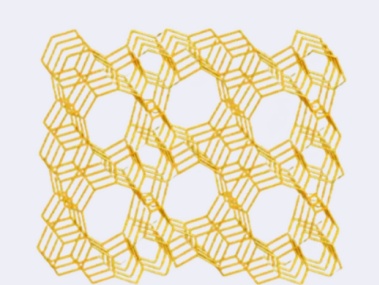
Zeolite powders are one of the most widely used materials to enhance anti-coking properties in catalysts. They are valued for their unique structure, high surface area, and selective pore channels that help prevent the formation of carbon deposits. If you’re noticing issues with your catalyst performance, it might be time to assess whether your catalyst has sufficient anti-coking properties. In this article, we’ll explore the top five signs that indicate your catalyst needs better anti-coking properties and how Zeolite powders can help.
One of the clearest signs that your catalyst needs better anti-coking properties is a noticeable decline in performance over time. Catalysts are designed to facilitate reactions efficiently, but as they accumulate carbon deposits from coking, they begin to lose their activity. This can lead to slower reaction rates and reduced throughput, directly impacting the overall efficiency of your production process.
The buildup of coke on the catalyst surface obstructs active sites, leading to inefficient reactions. This issue is particularly common in high-temperature processes such as catalytic cracking and reforming, where coke formation is more prevalent. Without proper anti-coking properties, the catalyst will require frequent regeneration or replacement, leading to increased costs and operational downtime.
Solution:
Zeolite powders, with their porous structure, can help reduce coke formation by providing a stable surface that resists carbon buildup. Zeolites also allow for better distribution of reactants, reducing hotspots that contribute to coking.
Regeneration is a critical process in maintaining the activity of a catalyst. Over time, as a catalyst is used in high-temperature reactions, coke—carbon deposits—build up on its surface, effectively blocking active sites and reducing its efficiency. To restore the catalyst's performance, regeneration is needed, which typically involves burning off the accumulated coke, often at elevated temperatures.
However, if you notice that regeneration is required more frequently than before, this is a clear sign that the catalyst’s anti-coking properties are insufficient. Regeneration itself is a costly and time-consuming process. It involves shutting down the reactor, heating the catalyst to burn off the coke, and then cooling it down before reintroducing it into the process. During this time, production halts, which can result in significant downtime and lost productivity.
In some cases, excessive coking can even lead to permanent damage to the catalyst, rendering it irreparable and causing it to be deactivated. Prolonged or frequent regeneration cycles can cause structural degradation of the catalyst material, particularly if the process is not optimized, or if the temperature during regeneration is too high, leading to sintering or the breakdown of the catalyst’s active sites.
Solution:
Incorporating Zeolite powders into your catalyst formulation can significantly improve its resistance to coking. Zeolites are well-known for their high thermal stability, making them highly effective in harsh, high-temperature environments where coking tends to occur. The unique, porous structure of Zeolite powders also helps prevent the carbon from adhering to the surface of the catalyst, effectively reducing the amount of coke buildup. By using Zeolites, the catalyst maintains its activity for longer periods, reducing the need for frequent regeneration. This not only lowers operational costs but also improves the overall efficiency of your catalyst, ensuring a more reliable and cost-effective process.
Zeolites can be incorporated into various catalytic formulations, allowing for greater flexibility in designing catalysts with enhanced anti-coking properties. Whether you’re dealing with heavy feedstocks or extreme reaction conditions, Zeolite powders can be a valuable addition to your catalyst formulation, ensuring less downtime, fewer regeneration cycles, and a longer catalyst lifespan.
Coking can also lead to inconsistent or deteriorating product quality. In catalytic processes, the active sites on the catalyst are responsible for driving the reactions at the desired rates. When coke forms on these sites, it can result in side reactions, byproducts, or impurities in the final product.
For example, in processes such as hydrocracking, where the goal is to convert heavy hydrocarbons into lighter, more valuable products, coke buildup can affect the product distribution and yield. If your catalyst is not maintaining consistent quality, it might be due to the interference of coke formation.
Solution:
By using Zeolite powders with optimized pore structures, you can improve catalyst stability and reduce unwanted side reactions. Zeolites also help maintain the shape and size of the active sites, ensuring consistent product quality.
A higher-than-expected pressure drop in your reactor is another sign that your catalyst may have coked. The formation of carbon deposits on the catalyst can block the flow of gases or liquids, increasing the resistance within the reactor and causing a pressure drop. This can lead to reduced flow rates and operational inefficiencies.
An elevated pressure drop indicates that the catalyst bed is becoming clogged with coke, and the gas or liquid phase can no longer pass through as efficiently. This situation can result in poor reactor performance, increased energy consumption, and potentially dangerous operating conditions.
Solution:
Zeolite powders are particularly effective in mitigating the effects of coking by maintaining catalyst porosity and ensuring smooth flow of reactants. Their high surface area and fine pore structure help in preventing the buildup of coke, reducing pressure drop and improving overall reactor performance.
If your catalyst’s lifespan is decreasing significantly, coking could be the cause. The constant build-up of coke on the catalyst’s surface reduces the number of active sites available for reactions, leading to a decline in catalyst effectiveness. As a result, the catalyst becomes less efficient over time and may need to be replaced much sooner than expected.
This shortened catalyst lifetime can also be exacerbated by frequent regeneration, which takes a toll on the material and eventually leads to permanent damage. A catalyst that needs frequent replacement or more regeneration cycles can become a significant cost burden for any operation.
Solution:
To extend the life of your catalyst, incorporating Zeolite powders into the formulation can greatly improve its anti-coking properties. Zeolite-enhanced catalysts resist carbon buildup and require less frequent regeneration, leading to longer lifetimes and reduced operational costs.
Zeolite powders are widely used in catalytic applications due to their unique ability to prevent coking. Their high surface area, porous structure, and excellent thermal stability make them ideal for enhancing catalyst performance. Zeolite powders help to:
Zeolite Benefit | Impact on Anti-Coking |
High Surface Area | Provides more active sites for reactions, reducing coke formation. |
Porous Structure | Allows for better distribution of reactants, reducing carbon buildup. |
Thermal Stability | Resists high temperatures without degrading, preventing coke formation. |
Selectivity | Offers targeted catalytic actions, preventing unnecessary side reactions. |
Moisture Resistance | Maintains performance in wet environments, where coking can be more prominent. |
By adding Zeolite powders to your catalyst design, you can effectively reduce coke formation, extend catalyst life, and ensure more stable operation.
Understanding when your catalyst needs better anti-coking properties is essential for maintaining optimal performance and reducing operational costs. Whether you’re noticing a decline in catalyst efficiency, increased regeneration cycles, or inconsistent product quality, the solution may lie in enhancing the catalyst with Zeolite powders.
At Shandong Yutai Chemical Co., Ltd., we specialize in providing high-quality Zeolite powders that are designed to improve your catalyst's performance and longevity. With our advanced materials, you can reduce coking, extend catalyst lifespan, and improve overall process efficiency.
Feel free to contact us to learn more about our products and how we can help you optimize your catalytic processes. Our team is here to assist with tailored solutions that fit your specific needs.
1. What are the main signs that my catalyst needs better anti-coking properties?
The main signs include a decline in performance, more frequent regeneration cycles, unstable product quality, increased pressure drop in the reactor, and shorter catalyst lifetime.
2. How do Zeolite powders help prevent coking?
Zeolite powders enhance the catalyst's ability to resist coke formation by improving surface area, providing a porous structure, and increasing thermal stability.
3. Can Zeolite powders be used for all types of catalysts?
Yes, Zeolite powders are highly versatile and can be incorporated into various types of catalysts, including those used in petrochemical and refining industries.
4. How often should I replace my catalyst if it is experiencing coking issues?
If your catalyst is experiencing frequent coking, it may need to be replaced sooner than expected. Regular maintenance and using catalysts enhanced with Zeolite powders can extend the life and reduce replacement frequency.


