
Views: 0 Author: Site Editor Publish Time: 2026-02-19 Origin: Site


Looking for ways to improve your cracking process? The right catalyst can significantly enhance efficiency. In this article, we’ll cover the top three features to consider when selecting a cracking catalyst. You'll learn about catalytic activity, optimized pore structure, and thermal stability.
Catalytic activity refers to the ability of a catalyst to accelerate a chemical reaction without undergoing permanent change. In catalytic cracking, a highly active catalyst is essential for breaking down large hydrocarbons into valuable products like gasoline and diesel.
Key Points to Remember:
● Catalytic activity ensures faster reactions.
● High catalytic activity leads to greater efficiency in converting heavy hydrocarbons into lighter products.
● The Yutai Chemical catalysts, like ZSM-5 and SSZ-13, are designed to maximize catalytic activity, ensuring quicker and more efficient reactions.
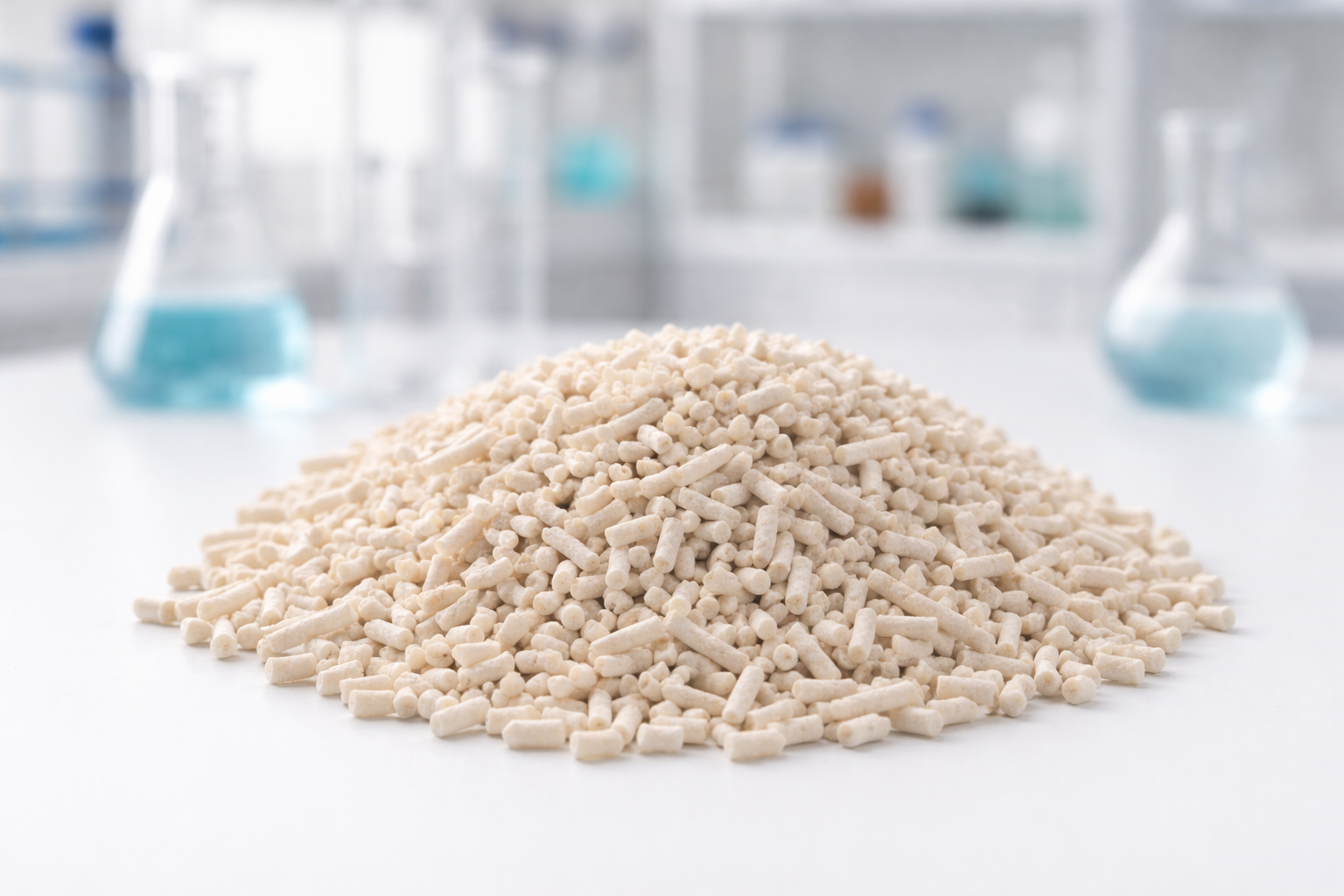
When choosing a catalyst for catalytic cracking, the goal is to select one that can maintain high catalytic activity over long periods. Yutai Chemical specializes in advanced zeolite catalysts like ZSM-5 and SSZ-13, both designed to enhance process efficiency and maintain performance at high temperatures.
Why Choose Yutai Catalysts?
● High activity: ZSM-5 and SSZ-13 catalysts provide maximum efficiency in cracking reactions.
● Longer lifespan: These catalysts resist coking, which can deactivate catalysts and lower conversion efficiency.
● Stability at high temperatures: Both catalysts maintain optimal activity in temperatures between 500°C and 550°C, crucial for cracking processes.
Catalyst Comparison Table
Catalyst Type | Key Features | Applications |
ZSM-5 | High thermal stability, excellent hydrocarbon conversion | Gasoline, light olefins |
SSZ-13 | Superior selectivity, long life cycle, resistant to coking | Olefin production, biofuel production |
Selectivity is a key feature in cracking catalysts, ensuring that the catalyst promotes the formation of the desired products while minimizing unwanted by-products. High selectivity directs the cracking reaction toward valuable outputs like gasoline and olefins, which are essential for the petrochemical and fuel industries.
Benefits of High Selectivity:
● Increased Reaction Efficiency: Ensures the majority of the feedstock is converted into valuable products.
● Reduced By-products: Minimizes the formation of unwanted substances, such as coke.
● Improved Product Quality: Delivers high-quality, consistent outputs for market use.
The pore structure of a catalyst affects how it interacts with hydrocarbons during the cracking process. The size and distribution of pores dictate how easily large hydrocarbons can enter the catalyst and undergo cracking.
Pore Structure Impact:
● Pore Size: Larger pores allow heavy hydrocarbons to enter, while smaller pores help direct specific reactions.
● Surface Area: A higher surface area improves the interaction between the catalyst and feedstock.
● Porosity Control: Adjusting the porosity ensures the catalyst produces the desired products, such as light olefins and gasoline.
Yutai's Approach:
● Tailored Pore Designs: Yutai modifies the pore structure of their catalysts, optimizing them for specific applications, such as gasoline production.
● Efficiency in Product Yield: The customized pore structure of ZSM-5 maximizes the yield of high-octane gasoline.
Selecting the right catalyst requires careful consideration of how its pore structure will interact with the feedstock and contribute to the regeneration process.
Key Considerations:
● Feedstock Compatibility: Pore size must match the size of the feedstock molecules to optimize conversion.
● Catalyst Aging: Over time, catalysts may suffer from pore blockage due to coking. Regular regeneration helps maintain optimal pore structure.
● Regeneration Process: Yutai's catalysts, such as ZSM-5 and SSZ-13, are designed to undergo efficient regeneration, ensuring long-term stability and selectivity.
Pore Structure and Application Table:
Catalyst Type | Pore Structure | Ideal Applications |
ZSM-5 | Microporous, selective | Gasoline, light olefins |
SSZ-13 | Hierarchical porosity | Olefin production, biofuels |
Thermal stability is essential in cracking catalysts because high temperatures are required for both the cracking process and catalyst regeneration. Without thermal stability, the catalyst's active sites degrade, reducing efficiency and yield.
● High temperatures (650°C - 750°C) are needed during regeneration to burn off coke deposits that form during cracking reactions.
● Catalyst degradation occurs if the material can't withstand these temperatures, resulting in lower reaction rates and poor product yields.
To maximize thermal stability, high-quality materials and advanced techniques are used to ensure the catalyst can withstand the extreme conditions in the cracking unit.
● Nickel-based zeolites: These zeolites are known for their resistance to high temperatures, making them ideal for cracking applications.
● Advanced coatings: Ceramic and alloy coatings enhance the catalyst's durability, preventing damage from heat and prolonging its life cycle.
Yutai’s Strategy:
● Customized Zeolites: Yutai Chemical uses nickel-based zeolites and coatings to improve the catalyst's heat resistance.
● Durable Design: Their catalysts are designed to endure high temperatures, ensuring sustained performance and longer operational life.
Ensuring catalyst longevity involves efficient regeneration processes and effective thermal management to maintain consistent performance.
Key Factors in Catalyst Longevity:
● Regeneration: Regular regeneration removes coke deposits, rejuvenating the catalyst's active sites for continued performance.
● Thermal Management: Stable temperatures and high-quality materials preserve the catalyst's structural integrity.
How Yutai Ensures Durability:
● Efficient Regeneration: Yutai’s catalysts are designed to undergo efficient regeneration cycles, improving longevity and maintaining high efficiency.
● Long-lasting Performance: Through robust materials and optimized thermal management, Yutai Chemical ensures extended catalyst life.
Catalyst Type | Material Features | Thermal Stability Applications |
ZSM-5 | High temperature resistance | Gasoline production, olefins |
SSZ-13 | Long-lasting, heat-resistant | Olefin production, biofuels |
Catalyst regeneration is crucial for maintaining the performance and longevity of cracking catalysts in Fluid Catalytic Cracking (FCC) units. Over time, coke deposits build up on catalysts, reducing their activity. Regeneration rejuvenates the catalyst, allowing it to perform efficiently over multiple cycles.
● High temperatures (650°C - 750°C) are needed to burn off coke deposits and restore the catalyst’s active sites.
● Efficient regeneration ensures minimal downtime and sustained performance, reducing the need for frequent catalyst replacement.
Yutai’s Catalysts are specifically designed to undergo efficient regeneration cycles, ensuring long-lasting performance with minimal intervention.
Signs of Deactivated Catalysts and Regeneration Best Practices
Catalysts can lose efficiency due to several factors, such as coking or poisoning. Recognizing the signs of deactivation and implementing best practices for regeneration can prevent productivity losses.
Signs of Deactivation:
● Reduced conversion rates: Lower hydrocarbon conversion signals catalyst inefficiency.
● Increased pressure drop: This may indicate coking or blockage of the catalyst pores.
● Decreased yield: A drop in valuable products indicates the catalyst is losing its effectiveness.
Best Regeneration Practices:
● Regular performance monitoring: Track conversion rates and pressure to spot early signs of catalyst wear.
● Efficient regeneration cycles: Perform regeneration before significant deactivation occurs, ensuring continued catalyst activity.
Yutai’s Regeneration Strategy:
● Custom catalyst designs for efficient regeneration that ensures minimal downtime and maximized performance.
Maintaining catalyst cycle life involves monitoring, consistent regeneration, and maintaining optimal operating conditions. A proactive approach ensures long-term catalyst stability and performance.
Key Maintenance Tips:
● Timely regeneration: Ensure catalysts undergo regeneration before deactivation impacts performance.
● Performance monitoring: Keep track of reaction rates, pressure drops, and product yields to spot issues early.
● Feedstock management: Use clean feedstock to reduce catalyst poisoning and extend the catalyst’s life.
Yutai’s Catalyst Longevity Solutions:
● Designed for longevity: Yutai’s catalysts are engineered to resist coking and poisoning, maintaining performance over time.
● Maximizing Catalyst Performance in Regeneration
Maximizing catalyst performance during regeneration requires careful temperature control and ensuring complete coke removal. Improper regeneration can lead to incomplete rejuvenation and reduce catalyst efficiency.
Key Strategies for Effective Regeneration:
● Stable temperature control: Prevent thermal degradation by maintaining consistent temperatures.
● Ensure complete coke removal: Incomplete coke removal reduces the catalyst’s ability to perform effectively.
● Gas flow optimization: Control air and gas flow to ensure uniform regeneration across the catalyst surface.
How Yutai Chemical Enhances Regeneration Efficiency:
● Durable materials: Yutai’s catalysts are designed to withstand high temperatures, making regeneration cycles more efficient.
● Improved coke removal: Their catalysts are optimized to efficiently remove coke, restoring activity for prolonged use.
In the article, we explored the three key features to consider when selecting cracking catalysts: catalytic activity, optimized pore structure, and thermal stability. Yutai Chemical provides high-performance zeolite catalysts like ZSM-5 and SSZ-13, which ensure efficiency, long-term stability, and consistent performance in cracking processes. Their products offer superior selectivity and thermal durability, making them ideal for optimizing refinery operations.
A: The main features include high catalytic activity, optimized pore structure, and thermal stability, which enhance efficiency and product quality in cracking processes.
A: Thermal stability ensures that the catalyst can withstand high temperatures during regeneration without degrading, maintaining long-term performance and reducing downtime.
A: Optimized pore structure allows the catalyst to efficiently convert feedstocks into valuable products like gasoline and olefins while reducing by-products.
A: Yutai’s catalysts, such as ZSM-5 and SSZ-13, are designed to maintain high activity over extended periods, ensuring maximum conversion rates and minimal degradation.
A: Yutai Chemical’s catalysts are engineered for superior selectivity, enhanced thermal stability, and efficient regeneration, providing reliable performance in demanding cracking applications.


