
Views: 0 Author: Site Editor Publish Time: 2026-01-30 Origin: Site


In various industrial processes, catalysts play a crucial role in speeding up chemical reactions, improving efficiency, and lowering energy consumption. From refining petroleum to producing chemicals, catalysts are indispensable in many sectors, including petrochemicals, automotive, and environmental protection. However, like all components subjected to harsh operational conditions, catalysts can degrade over time. One of the most common issues that affect catalyst performance is coking—the buildup of carbon deposits on the catalyst surface, which significantly hampers its activity and reduces its lifespan.
The anti-coking performance of a catalyst is thus vital to maintaining its efficiency and extending its service life. One of the most effective solutions to enhance this performance is the use of zeolite powders, which are known for their ability to mitigate coking and improve catalyst longevity. In this article, we will explore how zeolite powders contribute to anti-coking performance, their benefits in various catalytic processes, and why they are considered a game-changer for industries relying on catalysts for critical chemical processes.
Coking is a process in which hydrocarbon molecules, especially those found in petroleum refining, combustion, or chemical reactions, break down under heat and form carbon-rich deposits known as coke. These deposits accumulate on the surface of the catalyst, a crucial component used to speed up chemical reactions in various industrial processes. The formation of coke is highly undesirable because it obstructs the active sites on the catalyst, preventing it from performing its intended function effectively.
During industrial processes such as cracking, reforming, or hydrotreating in petrochemical refining, hydrocarbons are subjected to high temperatures and pressure. Under these extreme conditions, the hydrocarbon molecules can decompose, leading to the creation of carbon. This carbon adheres to the catalyst’s surface, forming a hard and non-volatile material that is not easily removed. Over time, as coke builds up on the catalyst, it reduces the surface area available for chemical reactions, diminishing the catalyst's effectiveness and efficiency. This can lead to slower reaction rates, lower yield, and the need for more frequent catalyst regeneration or replacement.
Coking not only reduces the effectiveness of catalysts but also introduces several operational challenges that can significantly impact industrial processes. These include:
Decreased Catalytic Activity:
As coke accumulates on the catalyst’s surface, it blocks the active sites where the chemical reactions occur. With fewer active sites available, the catalyst becomes less efficient at facilitating reactions, which results in a decrease in the overall reaction rate. This directly leads to reduced productivity, longer processing times, and lower throughput in industrial settings. As the catalyst becomes more clogged with coke, it may fail to function as effectively as it once did, ultimately affecting the performance of the entire process.
Increased Maintenance Costs:
When coking occurs, the catalyst can no longer perform its duties optimally, requiring more frequent regeneration or replacement. Regeneration involves cleaning the catalyst, often using high-temperature air or other chemicals to burn off the coke. However, this process can be expensive and time-consuming, leading to increased operational costs. If regeneration is not enough to restore the catalyst to its original efficiency, full replacement may be required, which incurs additional material and labor costs. This constant cycle of maintenance and replacement adds to the overall cost of operation and reduces the profitability of the process.
Shortened Catalyst Lifespan:
Over time, the accumulation of coke accelerates the degradation of the catalyst. The excessive buildup of carbon on the catalyst’s surface can cause physical damage, such as cracking or distortion of the catalyst's structure. This reduces the lifespan of the catalyst, meaning that it needs to be replaced more often. Catalysts are expensive components, and the more frequently they need to be replaced, the higher the costs associated with maintaining the system. The constant need for new catalysts or regeneration can result in significant financial burdens for businesses that rely on catalytic processes.
Zeolite powders are highly effective at improving the anti-coking performance of catalysts. These powders, which are derived from naturally occurring or synthetic zeolites, have unique properties that make them ideal for preventing carbon buildup. Zeolite’s microporous structure allows it to absorb hydrocarbon molecules more efficiently, reducing the chance of carbon accumulation on the catalyst’s surface. Additionally, zeolite acts as a molecular sieve, selectively adsorbing larger hydrocarbons while preventing the smaller, coke-forming molecules from interacting with the catalyst.
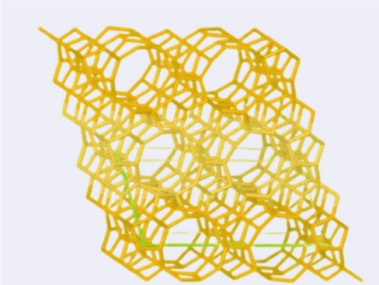
Zeolites are crystalline, microporous materials composed of silicon, aluminum, and oxygen atoms. They have a unique structure with small pores and a high surface area, which makes them ideal for use in catalytic applications. Zeolites can act as molecular sieves, selectively adsorbing certain molecules while excluding others, and they can enhance the chemical processes involved in catalysis.
What makes zeolites particularly useful in anti-coking applications is their ability to absorb and stabilize hydrocarbon molecules that might otherwise form coke deposits. By controlling the pore structure and surface properties, zeolites can reduce the formation of carbonaceous deposits on the catalyst, thus improving its resistance to coking.
Zeolite powders help prevent coking by:
Stabilizing Hydrocarbons: Zeolites interact with hydrocarbon molecules, preventing them from breaking down into coke-forming species. This is particularly important in high-temperature catalytic reactions, where coke formation is most likely to occur.
Reducing Carbon Deposits: Zeolite’s porous structure allows for better dispersion of the hydrocarbon feedstock, reducing the likelihood of carbon deposits building up on the catalyst’s surface. The micropores of zeolites prevent larger molecules from reaching the catalyst surface and causing unwanted carbonization.
Improving Catalyst Efficiency: By minimizing coking, zeolites ensure that the catalyst maintains its high activity over a longer period. This reduces the need for frequent regeneration, enhancing the overall performance of the catalytic system.
Zeolite powders are used in a variety of catalytic processes, including hydrocracking, hydrotreating, and reforming in the petrochemical industry. These processes are particularly prone to coking, making zeolite an ideal material to enhance the anti-coking performance of catalysts. Zeolites are also used in automotive catalytic converters, where they help reduce carbon buildup in exhaust systems, improving vehicle performance and reducing emissions.
Application | How Zeolite Powders Help |
Petrochemical Refining | Prevents coke buildup during high-temperature reactions. |
Hydrocracking | Improves catalyst life by reducing carbon deposits. |
Hydrotreating | Enhances catalyst stability and reduces maintenance. |
Automotive Catalysts | Reduces coking in exhaust systems, improving engine efficiency. |
By reducing the formation of coke, zeolite powders play a significant role in extending the lifespan of catalysts. The fewer the deposits on the catalyst’s surface, the longer it can perform its intended function without the need for regeneration or replacement. This translates to lower operational costs and fewer interruptions in production, which is especially beneficial for industries that rely on continuous operations.
Zeolite powders help ensure that the catalyst operates at its optimal performance level for longer periods, which improves the overall efficiency of the catalytic process. The smoother, more effective reactions facilitated by the catalyst result in higher yields and reduced waste, ultimately improving the profitability of the process.
By extending the lifespan of catalysts, zeolite powders also contribute to reducing the environmental impact of catalytic processes. Fewer replacements and regenerations mean less waste and lower emissions, contributing to more sustainable industrial practices.
The importance of anti-coking performance in catalytic systems cannot be overstated. Coking not only reduces the efficiency of catalysts but also increases maintenance costs and shortens the lifespan of expensive equipment. Zeolite powders have proven to be a highly effective solution in enhancing the anti-coking performance of catalysts, preventing carbon buildup, and ensuring consistent, high-level performance in various industrial processes.
At Shandong Yutai Chemical Co., Ltd., we specialize in producing high-quality zeolite powders designed to improve the longevity and efficiency of catalysts across industries. Our products are trusted by manufacturers worldwide for their ability to enhance catalyst performance and extend the lifespan of expensive equipment. If you are looking to improve the anti-coking performance of your catalysts and optimize your industrial processes, feel free to contact us for expert advice and high-quality zeolite products.
What are zeolite powders used for in catalysis?
Zeolite powders are used to enhance the anti-coking performance of catalysts, preventing the buildup of carbon deposits and improving the efficiency and lifespan of catalytic systems.
How do zeolite powders prevent coking in catalysts?
Zeolite powders stabilize hydrocarbon molecules and control their dispersion, reducing the likelihood of coke formation on the catalyst’s surface.
What industries benefit from zeolite powders in catalytic processes?
Industries such as petrochemical refining, automotive, and chemical manufacturing benefit from the use of zeolite powders in preventing coking and improving catalyst performance.
Can zeolite powders improve the efficiency of catalytic processes?
Yes, zeolite powders contribute to better catalyst stability, longer life, and more efficient chemical reactions, improving overall process efficiency and reducing costs.


